• Home
  • Booklets/Grouped Entries
  • Tech Tsunami
  • List of Entries to Date
  • About the Author

usrevolution5

~ USA Headed for a 5th Revolution! Why?

usrevolution5

Category Archives: Societal Issues

#186 Reconfiguring US for “Smart” Manufacturing and “Smart” Infrastructure (Part #10)

24 Wednesday Feb 2016

Posted by Jordan Abel in Gov't Policy, Possible Solutions, Societal Issues

≈ 1 Comment

First-time readers, this blog is set in the future (sometime after the year 2020).  Each entry assumes there has been a 5th revolution in the US — the Revenge Revolution.  More about Revenge Revolution and author, Entry #1.  List and general description of entries to date.  Annual assessment whether Revolution plausible.

Note: most characters appear in a number of entries, with many entries building on previous conversations.  Profile of characters.  You’ll catch on quickly.  Thanks for your time and interest…and comments. 

Scene: Jordan still home recovering from surgery. He anticipates returning to Washington soon. He’s drafting a note as follow-up to a request from POTUS.  Series starts #177; conversation with POTUS, #179.

TurtleneckJordan (thinking out loud): “Maybe I should send POTUS an email with the basic tenants of the plan. That way he can review it and forward to others for review.”

To: POTUS@wh.gov, Subject: Ideas to Reconfigure US Manufacturing to be “Smart.”

Mr. President: this note outlines the framework of a plan to help reconfigure US manufacturing and infrastructure to be “smart.”  Being smarter will help US manufacturing become more  competitive and help restore the middle class.

021214_1242_24Resultsof1.gifThe program is also designed to be fair to US trading partners while recognizing this country needs to rebuild wealth generation capability.  The “working name” for the program is “ACT FAIRLY.”  One of your speech writers can come up with a sexier name.  My preference is “Get Smart” but could not make the acronym work.

The acronym FAIRLY stands for:

  • “F” – Favor US manufactured goods in government purchases. “US manufactured” would require 75.0% or more local content.
  • “A” – Allow foreign investment but limit the percent foreign market share in any one industry to 25.0%
  • “I” – Infrastructure – rebuild existing infrastructure and expand to be “smarter” and support additional manufacturing
  • “R” – Rebuild US factories to be “smarter” and retrain US workers to be “smarter.”
  • “L” – Legislation passed supporting the proposed program rather than implementing through an Executive Order
  • “Y” – “You” are responsible to implement. “You” refers to individuals, organizations and government entities.

carnacThe proposed program is admittedly more of a vision than a detailed plan. Think of yourself as the Great Carnac.  However, I do believe this type program needs a clear vision that is easily understood and one that can guide activities at multiple levels.

I like the an acronym like “FAIRLY” because the country has been so divided economically and socially. While each person might have a different view of how to “act fairly,” I think the outer boundaries of “fair behavior” are likely much closer together than if no reference points are set.  We need to mesh the combination of “fairly” and “smart.”

The following paragraphs provide a bit more detail. No doubt you will want to tweak for your own style. Thought this might be a good starting point.

F — Favor US Manufactured Goods. To me the Federal government and state governments should lead the way toward buying US-manufactured goods. One issue is 75 percentthe minimum level of “local content” to qualify for labeling as “US Manufactured.” My suggestion is 75.0% of the wholesale cost must be US content. The content can be raw material or labor or some combination. What cannot be labeled as “US Manufactured” is a product where most of the work is completed outside the US with only final assembly in the US. Final assembly creates little value add and does not create many higher-paying jobs.
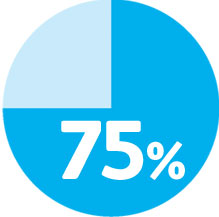
Allow Foreign Companies in US. The 75.0% local content requirement still allows foreign companies to have a major US presence. However, the foreign share of any key US market should not exceed 25.0%. For example, virtually all the electronics sold in the US are manufactured outside the US. My question is ‘why?’ when the labor content of electronics is such a low percentage of total cost. If the foreign companies want to work with a US partner, OK, as long as local content is at least 75.0% of the wholesale cost.

The US is a huge market and 25.0% represents a very attractive opportunity for most companies. 25.0% of the US market is greater than 100.0% of most other countries. In addition, foreign companies can partner with US companies and be part of a “US Manufactured” product.

Infrastructure. President Eisenhower led the nation to build the interstate highway dwight_d_eisenhowersystem. You can lead the charge to rebuild physical transportation – roads, rail, air and water – and electronic transportation – the internet. Without the upgraded infrastructure, the economic effect of rebuilding the US manufacturing base will be much less. The transportation infrastructure needs to be more than just highways as favored by too many Congressional reps. The entire infrastructure needs to be rebuilt to be “smart,” allowing for smart/driverless cars, smart trains, smart planes and smart watercraft on inland waterways.

Like Eisenhower, you can position infrastructure rebuilding as part of national defense. Since every state will benefit from the improved infrastructure rebuilding program, Congressional support should be less of a hurdle.

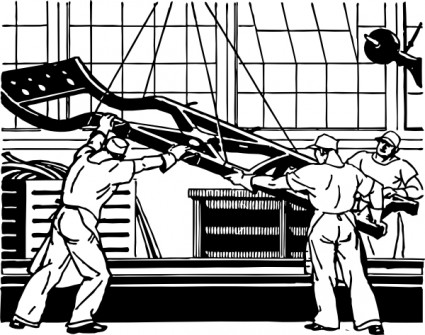
Rebuild US Factories and Retrain Workers. As we’ve discussed, much of what is labeled in this country as “economic development” is really a wealth transfer from the public sector to a small group in the private sector. The ACT FAIRLY program needs to factory_07point out the cost penalties (i) associated with US-based companies relocating within the US; (ii) building greenfield facilities; and  (iii)abandoning existing facilities in another location. I think ACT FAIRLY should ban incentives for any intra-US relocation. ACT FAIRLY should also include payment to the existing host city for companies that relocate.

Why should US taxpayers subsidize companies to relocate when existing manufacturing facilities are available in Flint, Detroit, Cleveland, Buffalo, Chicago, New York and a host of other locations? Rebuild the facilities in these cities first before we allow greenfield facilities elsewhere. The greenfield plants need infrastructure. Why build new infrastructure when existing infrastructure exists? If taxpayers understood the true economics, they would not allow such shenanigans.
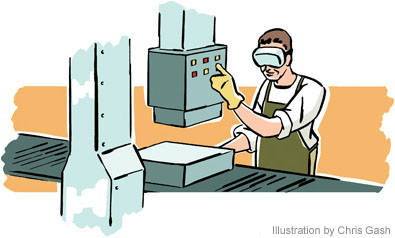
manufacturing-production-operations-jobsRe-educating workers is critical also. People are smarter and more willing to learn than we…societal we…give them credit for. If someone is offered a retraining opportunity and turns it down, then go to the next person in line. There are many people looking to improve their economic standing.

The retraining needs to include providing more access to classes in “skilled trades,” especially for high school students. College sounds glamorous but not everyone is suited for college nor interested in college. Besides “skilled trades” does not mean the person is not smart or well-educated.

TOH LogoOne of my “heroes” is Tom Silva on This Old House. Tom is an absolute master at solving complex problems using basic math in a very practical way. What’s his formal education? As I recall his profile on the TOH website, Tom graduated high school but did not attend college.

Legislation. While you might be able to issue an Executive Order to mandate the Federal government buys only goods with 75.0% US content, doing so would create Congressanother firestorm of charges of “overreach” and “dictator.” Provide the vision and the framework for the idea, then put the pressure on Congress to pass legislation. Some will squawk but the pressure from constituents will be considerable. People expressed their great frustration by initiating the Revenge Revolution. ACT FAIRLY is an excellent, low-risk opportunity for the House and Senate to start acting like adults.

You – Personal Responsibility. Using the bully pulpit I think you can begin to have mirror-clipart_jpgpeople look in the mirror and then begin changing their minds about why they should buy US-made products. Some companies will claim costs of US products will be higher and therefore not competitive,  However, when people start buying products that qualify as “US Manufactured” then the naysayer companies will begin changing. Same with government. People will begin to demand taxpayer dollars are spent on US-manufactured products and not products manufactured elsewhere.

Summary. Obviously the proposed program needs more discussion and analysis…and name tweaking. However, I caution those who might get involved not to get caught up in paralysis from analysis. Or, as my mother-in-law told her daughters when they were growing up, “Don’t get your panties in a wad.”

The ACT FAIRLY concept is sound and can be implemented. As POTUS you have a great opportunity to lead the transition from the Revenge Revolution to a more dynamic country and fair society. People want a change.

I’m available if you want to chat. Should be back in Washington in a couple of weeks. Thanks for the opportunity to present my ideas.

Best regards, Jordan

#185 One Person Can Make a Difference (Part #9)

17 Wednesday Feb 2016

Posted by Jordan Abel in Corporate Policy, General Motors, Personal Stories, Societal Issues

≈ Leave a comment

First-time readers, this blog is set in the future (sometime after the year 2020).  Each entry assumes there has been a 5th revolution in the US — the Revenge Revolution.  More about Revenge Revolution and author, Entry #1.  List and general description of entries to date.  Annual assessment whether Revolution plausible.

Note: most characters appear in a number of entries, with many entries building on previous conversations.  Profile of characters.  You’ll catch on quickly.  Thanks for your time and interest…and comments. 

Scene: Jordan still in Charlotte and on limited work schedule while recovering from prostate surgery. Jordan calls his office and talks to Gelly, his assistant. Earlier Jordan and POTUS began conversation about rebuilding US manufacturing and the middle class. Series starts #177; conversation with POTUS, #179.

Jordan: “Gelly, could you do me a favor, please?”

092615_2031_Characters7.gifGelly: “Yes, but only because you are so helpless.”

Jordan: “C’mon. I’m not helpless. I’m just a little slow getting around that’s all.”

Gelly: “I must say. Your recovery seems to be progressing more quickly than I anticipated. You pleased with progress?”

Jordan: “I’m pleased with progress and so is the doctor. I just need to make sure my expectations don’t race too far ahead.”

Gelly: “OK, so what do you want me to do?”

TurtleneckJordan: “POTUS called me at home. By the way, did you tell him about my surgery?”

Gelly: “I’ll never tell. And he certainly doesn’t need me to tell him what’s going on in your life.  Isn’t that what those agencies are for?”

Jordan: “We had a nice chat about the technology used in surgery.”

Gelly: “Only guys would talk about the machines and software used to cut them open and remove parts. OK, I’ll stop and listen.”

Jordan: “What we never got around to was a story I had promised to tell him. He said to call when I was feeling better.”

Gelly: “So, now you’re feeling better and want me to find out a good time for him to chat, right?”

pajamas-cJordan: “Yes, please. Earlier in the day is better for me. Thanks.”

Gelly: “I’ll make sure Little Jordan is not in his jammies when POTUS calls.”

Jordan: “You’re tough, Gelly.”

Gelly: “I harass you because I like you Jordan. When I stop harassing you is when you should be concerned.”

Next day Jordan receives call at home.

Jordan: “Jordan Abel, may I help you.”

white-house-clip-art1POTUS: “He doesn’t get it. Relax dude.”

Jordan: “Alright, Mr. President, I’ll relax. I’m just so programmed to answer the phone a certain way.”

POTUS: “I hear you. Gelly said you were ready to tell me the second story, which is about how one person can make a difference. If you have time, I’m ready. Is this another Buick story?”

Jordan: “Yes. Here’s the background. Buick spends lots of money modernizing an old Buickassembly plant. Production then resumes but quality lags.”

POTUS: “How bad was it?”

Jordan: “Second worst plant in North America.”

POTUS: “You mean 2nd worst for Buick?”

Jordan: “No, 2nd worst of any assembly plant in the industry. That’s all domestic plants down chartand all foreign-owned plants.”

POTUS: “Quality was that bad after all the money was spent modernizing the plant?”

Jordan: “Yes.”

POTUS: “Big problem.”

Jordan: “The main character in this story works in the Buick service department. Mid-level salary guy but his family is…”

POTUS: “…Let me guess. This is Flint and he’s the first of his family not working on the assembly line? How’d I do?”

Jordan: “Dead on. The family is 3rd or 4th generation hourly worker and 2nd generation UAW.”

POTUS: “What happens next?”

Jordan: “He comes to my office and borrows a report with all kinds of quality data and report-clipart-McLxyjKqi.jpegconsumer rankings. Like a JD Power report but it’s developed internally and has much more detail.”

POTUS: “Is he supposed to have the info in the report?”

Jordan: “No reason he can’t. But unbeknownst to me and any other department head, he takes the report and meets with the UAW.”

POTUS: “The same UAW guy you talked to. You know, the one whose son you mentored? Wasn’t he president of the UAW local?”

Jordan: “Probably but the same guy but I’m not 100% sure. Whoever he talked to, he reminded them his family had worked in the plant since Buick was founded in 1903. He also told them assembly linethe ratings were not Buick’s but from customers. Finally, he told them that if quality did not improve, the company was likely to close the plant and move production elsewhere.”

POTUS: “Close it, even though they’d spent all the money modernizing the plant?”

Jordan: “His analysis was spot on.”

POTUS: “What happened?”

Jordan: “I’ll tell you the results. How the idea was communicated with the rank-and-file, I have no idea…nor frankly, do I want to know. But what happened is quality started to improve quickly.”

POTUS: “Then what?”

Line chartJordan: “Within 18 months, the quality of the plant went from 2nd worst in the industry to 2nd best…and within a whisker of being first.”

POTUS: “in just 18 months? Really?”

Jordan: “Really.”

POTUS: “This guy get some kind of award?”

Jordan: “No one even knew about it or talked about until a few years later. Management knew that quality turned around but no other exec I talked to knew exactly what happened.”

POTUS: “So one guy did all this on his own?”

Jordan: “One guy started the ball rolling. But when you step back and think about, this Trust Meguy had more credibility with the UAW than the entire management team. They trusted him.  He wasn’t a suit.  He wasn’t out for some political gain…or some promotion. In fact, he risked getting demoted for going outside the system. But he didn’t worry about personal consequences. And he had credibility because of his family history.”

POTUS: “Quite a story. I keep shaking my head. Just one guy who did this on his own. Wow.”

Jordan: “One guy. No committee. No incentive other than trying to do the right thing and save jobs for his family and other members of the community.  And he’s not from guernsey-cow-9751central casting.  He’s overweight and low-key — in some ways reminds you of a Guernsey cow.  I mean that in a positive way…but you get the idea.”

POTUS: “Interesting profile for guy that made such an impact.  Did GM keep the plant open?”

Jordan: “The plant stayed open for another probably 20 years. They shut it as part of Pile-Rubble-186270the bankruptcy, and then demolished it. 100 years of automotive assembly history turned into a pile of rubble.”

POTUS: “As a country we’ve got to change. Stories like this one make me inspired by the effort of one individual. The story also makes me sick because 100 years of effort by a lot of people got tuned into a heap.”

sad-face4Jordan: “I still get upset with the ending to the story.”

POTUS: “What are we going to do, Jordan, to help rebuild US manufacturing? And get those middle class jobs back to Flint and many other locations.”

Jordan: “You want to talk now or later?”

POTUS: “I’ve got to run. And you probably need some rest. Let’s chat some more soon.”

#183 Are Wall Street Traders Really Traitors? (Part #7)

03 Wednesday Feb 2016

Posted by Jordan Abel in Corporate Policy, Gov't Policy, Personal Stories, Possible Solutions, Societal Issues

≈ Leave a comment

First-time readers, this blog is set in the future (sometime after the year 2020).  Each entry assumes there has been a 5th revolution in the US — the Revenge Revolution.  More about Revenge Revolution and author, Entry #1.  List and general description of entries to date.  Annual assessment whether Revolution plausible.

Note: most characters appear in a number of entries, with many entries building on previous conversations.  Profile of characters.  You’ll catch on quickly.  Thanks for your time and interest…and comments. 

Scene: Jordan and POTUS continue conversation about rebuilding US manufacturing and the middle class. Series starts #177; conversation with POTUS, #179.

POTUS: “Jordan, you’re taking a tough stand. Aren’t you making it harder for white-house-clip-art1manufacturing companies? Won’t companies just leave…or just start the company outside the US and not worry about regulations?”

Jordan: “Might be making it a little more difficult. But a counter is having tax breaks for US made products.”

POTUS: “You talking about tariffs for imports? We’ve got all these trade agreements between the US and other countries.”

TurtleneckJordan: “What I’m suggesting is goods manufactured in the US – manufactured, not just assembled in the US – get some sort of tax relief. The goal is to make it less attractive for executives to locate outside the US.”

POTUS: “What about companies relocating in the States? Should there be some sort of penalty?”

Jordan: “Like banning Charlotte from recruiting companies from New York, Ohio, Michigan and elsewhere. Like I said earlier, recruiting from another state seems more like stealing to me.”

POTUS: “Couldn’t we allow states still to recruit but say ban any tax breaks or other type of incentives? Another approach would be to levy a tax on the company for relocating.”

Jordan: “Some type of tax or penalty seems reasonable. At a minimum companies should checkbook2pay for displaced workers and the loss in tax base in the community they’re bailing out of.”

POTUS: “What do we do about the influence of Wall Street? The Street seems to put lots of pressure on companies to meet quarterly earnings targets.”

Jordan: “I view the so-called pressure as an excuse by CEO’s to cut expenses and mask poor management. Some tweaks to operations are always necessary but the company is either being run fundamentally correctly or not.”

POTUS: “If the company is being run properly, any earnings shortfall in one or two quarters should work itself out. Is that what you’re saying?”

Jordan: “Exactly what I’m saying. Sophisticated investors understand that. Warren Buffett is a perfect example. Did he build the value of Berkshire Hathaway by focusing on quarterly earnings?”

POTUS: “No.”

DogJordan: “So there’s the lesson for investors. Be patient.  We’ve allowed the traders on Wall Street to gain the upper hand.  As a result management start to focus on the wrong issues.”

POTUS: “Are we letting the tail wag the dog, as it were?”

Jordan: “We…societal we…are letting Wall Street traders have too much influence on the way businesses are run. The time horizon for traders is minutes, not months or years. The political right would be apoplectic if they ever heard me say this, but the traders are more like traitors. They really don’t care about this country.”

traitorPOTUS: “C’mon. Wall Street traders are traitors? How can you say that?”

Jordan: “Because the traders have no loyalty to the company or the country. They do not care if a company goes under, the company moves production off shore and ruins a town. The traders care about one thing – making money on every trade.”

POTUS: “Keep talking.”

Jordan: “Think about it. Pension funds and individuals…but mostly pension funds…have large securities portfolios. What are the pension funds supposed to do?”

POTUS: “Protect the money of employees, current and former.”

Jordan: “Do you think the employees believe its smart business to ship jobs overseas and eliminate their own job?”

POTUS: “That seems like a silly question. Of course not.”

CashJordan: “Well, CEO’s are doing exactly that. Why? To boost quarterly earnings so some a-hole doesn’t start trying to drive down the stock price and encourage a hedge fund to begin a takeover. I sound like a broken record, but do you think for a microsecond the traders care about the company?”

POTUS: “I hear you Jordan.”

Jordan: “Who does care about the company, or at least should care about the company?”

POTUS: “Employees, the pension fund…”

Jordan: “…and maybe some of the executives. Then why do we have all these laws that permit manipulation of stock prices? Even worse is allowing investors to raid companies.”

POTUS: “How do you propose we stop that?”

Screwed-GuyJordan: “Mr. President, I don’t know. But what I do know is the American worker is getting screwed and wealth is being transferred from the worker to a small group of investors and some countries outside the US.”

POTUS: “What about unions? Wall Street and the execs are not the only ones playing this gig.”

Jordan: “I’m not naïve. Some unions were a problem 15-20 years ago. But they’re not now. And I contend the unions never were as big a problem as a lot of people claimed.”

POTUS: “I’ve heard stories where unions drove companies out of town.”

Jordan: “I have to. And there are likely a few examples. But people forget, unions are made up of people. People with kids and families. And people with feelings.”

POTUS: “Some people will claim you sound like some screaming liberal.”

Jordan: “For some issues, I probably am. I’ll give you an example of why I feel this way. Years ago, when I was at Buick, our department ‘hosted’ students during their men talkingco-op work period from Kettering University – it was General Motors Institute then. One session the son of the president of the UAW local was working in our department. A short time after the co-op work session ended, some of us attended a meeting with the UAW. The president and I chatted a while and then joined the rest of the group. I got all kinds of semi-nasty questions about why I was talking to the president.”

POTUS: “How’d you respond?”

Jordan: “I told ’em I was asking how his son was doing in school. And that the president thanked me for taking his son under my wing.”

POTUS: “You think that happens very often?”

Jordan: “Probably not, but it should. We were a couple of guys trying to help a young man get an education. What’s so terrible about that?”

POTUS: “Sounds as if both of you were trying to do the right thing. You have another example?”

Jordan: “Yes.”

POTUS: Remember the second story, please.  I’ve got to head to yet another meeting.”

(Continued)

#182 Company Relocations. Economic Development or Stealing? (Part #6)

30 Saturday Jan 2016

Posted by Jordan Abel in Causes of the Revolution, Corporate Policy, Gov't Policy, Possible Solutions, Societal Issues

≈ 2 Comments

First-time readers, this blog is set in the future (sometime after the year 2020).  Each entry assumes there has been a 5th revolution in the US — the Revenge Revolution.  More about Revenge Revolution and author, Entry #1.  List and general description of entries to date.  Annual assessment whether Revolution plausible.

Note: most characters appear in a number of entries, with many entries building on previous conversations.  Profile of characters.  You’ll catch on quickly.  Thanks for your time and interest…and comments. 

Scene: Jordan and POTUS continue conversation about rebuilding US manufacturing. Starts entry #179.

POTUS: “As you were saying, GM technically went bankrupt in the 1990’s but never white-house-clip-art1declared it. How so?”

Jordan: “Remember a company called GMAC?”

POTUS: “Wasn’t GMAC the finance arm of GM?”

Jordan: “Yes.  To help beef up the cash position and avoid being forced to declare bankruptcy, GM moved money from GMAC to the operating company.”

POTUS: “Isn’t that illegal?”

GM,_logoJordan: “Probably so but the financial guys covered their tracks very well. Part of the problem was caused by a number of accounting changes in the 1980’s during  Squeaky’s reign.  The accounting changes masked some earnings shortfalls.”

POTUS: “Pardon me for interrupting but whoever gave Roger Smith the name Squeaky deserves a drink.”

Jordan: “And I’ll buy.  Anyway, with all the accounting changes, it became very difficult to determine where there were real performance problems.  I’m not sure the finance guys really knew what was happening month-to-month.  Sales and market share kept dropping and the cash was no longer coming in…and they essentially ran out of cash in 1992.”

POTUS: “Without getting into more detail about GM, what policies should we consider to encourage manufacturers to stay in the US, or return to the US if they’ve left?”

TurtleneckJordan: “One issue that has always bothered me is the ability of companies to pick up and relocate with little or no consequence.”

POTUS: “Isn’t that a fundamental of capitalism?”

Jordan: “It’s very one-sided. Why should community and the employees make a commitment when the other side, the company, does not have to make a commitment?”

POTUS: “Are you saying the current system is unfair?”

Jordan: “Grossly unfair. And there are a couple of reasons why. First, the community Unfairand employees are often forced to make a financial sacrifice if the company threatens to relocate. Then the company can still pick up and leave.”

POTUS: “But, the community and employees have benefitted. The company has paid taxes and the employees have jobs. What’s not fair?”

Jordan: “The company has no downside risk. Heads I win, tails you lose.”

POTUS: “What if the company doesn’t sell product and make any money?”

Jordan: “Decisions that affect competitiveness are made by executive staff, not the employees or the town’s taxpayers. Failure to develop and introduce new product is a management issue, not an employee issue.”

POTUS: “What else?”

Jordan: “Laws in this country allow a company to bleed a community dry, and then taxpayerrelocate. As part of the relocation plan, the company demands prospective towns provide incentives.  It’s a shakedown.”

POTUS: “Many people consider that economic development.”

Jordan: “I consider it stealing. Its only economic development in the eyes of the city where the company relocates. And most of those cities are too lazy to develop businesses on their own.”

POTUS: “Jordan, that’s pretty harsh.”

Jordan: “Pardon me, Mr. President, but to call incentivizing a company to relocate ‘economic development’ is BS. The only people who gain in the deal are the executives of the company…and probably a few elected officials. The overall economy loses.”

POTUS: “Tell me why you think the economy is worse off.”

Jordan: “Employees and the community where the plant was located now have a lower Screwed-Guytax base, and very likely a higher welfare roll. They got screwed.  People where the company relocated have to absorb the cost of the incentives. They might not know it but they’ve been screwed.  Simple question, ‘Did employees’ wages increase?'”

POTUS: “No. Wages probably decreased except for the executives. Shareholders might benefit. I see your point.”

Jordan: “When you cut through the layers, relocation is another way to redistribute wealth…but disguised as economic development.”

POTUS: “How do we fix the problem, assuming we can convince people it is a problem?”

Jordan: “Convincing people should not be difficult. Start talking to people in cities where companies have left and see if they think its a problem.  And ask them who came out ahead.”

Fisher 21POTUS: “You mean people in cities like Flint, Buffalo, Cleveland…and a bunch of other places.”

Jordan: “You got it. The solution to such relocations…at least a partial solution?  Make the relocation costly…and difficult.”

POTUS: “Can a plan like that work?”

Jordan: “Look around Europe. Go no farther than Germany if you want to see if such an approach works.”

POTUS: “Lots of things work in Europe that don’t work in the US. National health care and gun control, for example.”

american-revolution-728714Jordan: “Attitudes in the US have changed since the Revenge Revolution. Now seems to be a good time to rethink whether we allow companies to pick up and move with no consequence.”

POTUS: “What if companies just declare bankruptcy and restart somewhere else?  And what about the unions?  Don’t they have some responsibility to keep a company from moving?”

(Continued)

#181 Flint, MI – Squeaky’s Sacrificial Lamb Kills the Middle Class (Part #5)

23 Saturday Jan 2016

Posted by Jordan Abel in Corporate Policy, General Motors, Personal Stories, Societal Issues

≈ Leave a comment

Scene: Jordan’s office a few days after POTUS’ first call re manufacturing and rebuilding the middle class.

092615_2031_Characters7.gifGelly: “Jordan, POTUS is on the line again.”

Jordan: “Hello, Mr. President.”

POTUS: “Hello, Jordan. Have a few minutes? I want to continue our conversation about rebuilding US manufacturing.”

Jordan: “My calendar is clear.”

POTUS: “Good. I understand the need to rebuild manufacturing and the middle class. But these are abstract concepts. If we are going to sell the idea, we need to personalize 092615_2031_Characters10.gifthe story. Make it so people can relate to it and understand what’s happened. You have an example or two in mind?”

Jordan: “You mean like what’s happened to Flint, Michigan?”

POTUS: “Wow, what a tragedy. They first lost all the manufacturing jobs, then they get hit with lead in their drinking water. Given your background, tell me what you think really happened in Flint. It went from a thriving community to being in the dumper. Why?”

TurtleneckJordan: “The very short answer is Roger Smith. He’s not the only reason but if you’re looking for the primary cause and way to personalize the story, look no farther than Roger Smith.”

POTUS: “Not sure who you mean.”

Jordan: “Ever hear about or see the movie, ‘Roger & Me’?”

POTUS: “Wasn’t that one of Michael Moore’s movies? He’s had some interesting ones. I’ve seen snippets of ‘Roger & Me’ but never the whole movie. What’s it about?”

Jordan: “About how Roger Smith, as chairman of General Motors, destroyed Flint.”

POTUS: “You think that’s true or was that just some Hollywood make-believe?”

Jordan: “My perspective is a bit different from Michael Moore’s. However, his lambconclusion is correct. Smith destroyed Flint. Flint became a sacrificial lamb.”

POTUS: “Seems like you’re taking an extreme position. Flint was a sacrificial lamb for what?”

Jordan: “Smith was chairman of GM throughout the 1980’s. He was also feared within the company, despite being known as ‘Squeaky’ to some insiders.”

POTUS: “Was he that bad? Was Squeaky…I love that name…a real ‘my way or highway’ kind of CEO?”

Jordan: “More like ‘my way or the guillotine’ kind of CEO. He was ruthless.”

flint-city-limits-signPOTUS: “So what made Flint different from other GM towns in Michigan? There’s what Lansing, Pontiac, even Detroit. What’s so different?”

Jordan: “Because Flint is where the UAW forced GM to recognize the union.”

POTUS: “But didn’t GM start in Flint with Buick? Flint was GM’s hometown. Who was the guy that started GM.? Wasn’t Sloan. What was the guy’s name?”

Jordan: “William C. Durant, aka Billy Durant.”

POTUS: “That’s the guy. If GM started in Flint, then what’s the big deal about the union?”

Jordan: “Roger hated the UAW. He never forgave the rank-and-file or the people of sitdown strikeFlint for participating in the sit-down strike of 1936.”

POTUS: “You’re really into GM history aren’t you? The strike was 45, almost 50 years before Smith became CEO. The strike was ancient history.”

Jordan: “Not to Roger, or many other people. You know Gelly, right?”

POTUS: “I talk to her when I call. Very pleasant by the way. I’ve never met her in person. Why?”

Jordan: “Her grandfather participated in the sit-down strike at Fisher #1 in Flint. She said he talked about it until the day he died. She’s 3rd or 4th generation auto family. Or at least she was until Smith’s reign of terror.”

POTUS: “Not to sound like an attorney for the defense, but did you ever see any memos or plans to destroy Flint?”

Jordan: “You know better than that counselor. My conclusion is based on his patterns of behavior in other situations. Also, I also looked at the number of facilities in Flint that were shut down in Smith’s reign compared to other locations. Disproportionately high.”

BuickPOTUS: “Maybe true but wasn’t GM losing share during the 1980’s? As I recall, GM was losing ground and imports were gaining ground.”

Jordan: “Except Flint’s hometown car, Buick, actually held its own during the 1980’s…and set a sales record.”

POTUS: “I’m certain you had no influence on that. Look, I can’t argue with your logic. You saw the company from the inside. You also analyze situations differently than most people. That’s why I call you. One question, ‘If Smith GM,_logowas so bad, why didn’t GM go bankrupt in the 1990’s? They didn’t go BK until what 2008-2009?”

Jordan: “They did go BK in the 1990’s…but not officially. I’ll tell you why.”

(Continued)

#180 “Show Some Respect for Detroit and Flint!” (Part #4)

16 Saturday Jan 2016

Posted by Jordan Abel in Education Issues, Personal Stories, Societal Issues

≈ Leave a comment

Scene: Jordan’s office. Just finished a conversation with POTUS.

Jordan: “Gelly, could you do me a favor, please?”

092615_2031_Characters7.gifGelly: “Yes, I’ll get you some coffee.”

Jordan: “How’d you know what I wanted?”

Gelly: “You are so predictable. I mean really.”

Jordan: “You sound like JC. Why do women give me such a hard time?”

Gelly: “Because you’re such an easy target. I’ll be right back.”

Turtleneck(Short break) Jordan: “Thanks for the coffee.”

Gelly: “You’re welcome. Conversation with POTUS go OK?”

Jordan: “Fairly well. I’ll get an assignment but that’s OK. I like to help.”

Gelly: “Anything you can talk about? Or do you face double-secret probation if you tell me?”

Jordan: “Topic was…or is how we rebuild manufacturing in the US.”

Gelly: “That’s a topic I like.”

Jordan: “Why’s that?”

BuickGelly: “I come from a manufacturing background. My father worked at Buick in Flint and my grandfather worked at Fisher Body in Flint.”

Jordan: “Why did I not know that? Were they hourly or salary?”

Gelly: “UAW and very proud of it.”

Jordan: “If your grandfather worked at Fisher Body and given how old you are…”

Gelly: “…but not as old as you.”

Jordan: “I know. Could your grandfather have participated in…”

sitdown strikeGelly: “…the sit-down strike? Yes he did and he was very proud of it until the day he died.”

Jordan: “The sit-down strike at Fisher #1 really changed lives for a lot of families.”

Gelly: “If you ask me, the change was all for the better.”

Jordan: “Why do you think so? A lot of people today think the unions, and especially the UAW, are the reason so many companies sent manufacturing off shore.”

Gelly: “They’re reasoning is BS. Try working for low wages and no job security. Look, I’m not saying the UAW was perfect but I do know that wages were a whole lot more Unfairequitable than they were before the union and even now.”

Jordan: “I don’t think I’ve seen you this fired up before.”

Gelly: “Because of the UAW, our family was able to afford a decent house and have a decent life.”

Jordan: “What about schooling?”

Gelly: “My sister and I were the first members of the family to go to college.”

Jordan: “She go to Michigan State also?”

Gelly: “Another Spartan. We couldn’t afford that rich kids school in Ann Arbor.”

Jordan: “Now, now. Let’s not get personal.”

Gelly: “You know what I meant, Jordan. I just get tired of people who trash working class families. And I really get upset when people trash Flint and Detroit.”

Jordan: “But both cities are in the dumper. Coming back a bit now but a long way to go.”

Gelly: “People need to understand and appreciate what Detroit and Flint have done for America.”

Aretha-aretha-franklin-27121751-1280-1024Jordan: “You mean more than The Four Tops, The Spinners, The Supremes, Aretha…Motown?”

Greenie: “Seriously, Jordan, if it weren’t for the auto companies and auto workers, the world might be a different place. In just a few months after WWII started, the plants went from making cars to making tanks and airplanes. Buick even made engines for bombers. Seems to me the people in France and Belgium have more respect for what the companies and workers did than the people in America. Makes me angry.”

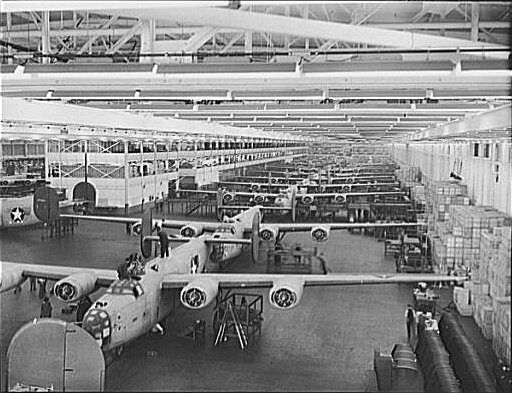
B-24_bomber_at_Willow_RunJordan: “It is an amazing story, which very few people seem to appreciate.”

Gelly: “Maybe you should make the southeast Michigan story part of your conversation with POTUS.”

Jordan: “Interesting idea. People can talk all they want about software zillionaires, social media and the like. At the end of the day, a country’s value comes from manufacturing things. Software is a great enabler. But you still have to manufacture stuff.”

Gelly: “I’d really appreciate it if you would mention it to POTUS. I sometimes think I’ve let my family down because my job is to push paper around and not really make stuff.”

Jordan: “Gelly, I’m certain your family is very proud of you. And I am very proud of you for how you respect what they’ve done.”

#179 POTUS Calls re Rebuilding US Manufacturing Base, Middle Class (Part #3)

10 Sunday Jan 2016

Posted by Jordan Abel in Corporate Policy, Economics, Education Issues, Gov't Policy, Possible Solutions, Societal Issues

≈ 8 Comments

First-time readers, this blog is set in the future (sometime after the year 2020).  Each entry assumes there has been a 5th revolution in the US — the Revenge Revolution.  More about Revenge Revolution and author, Entry #1.  List and general description of entries to date.  Annual assessment whether Revolution plausible.

Note: most characters appear in a number of entries, with many entries building on previous conversations.  Profile of characters.  You’ll catch on quickly.  Thanks for your time and interest…and comments. 

Scene: Jordan’s office. Regular work day.

Gelly (Jordan’s assistant): “Jordan, sorry to interrupt you but I think you might want 092615_2031_Characters7.gifto take this call.”

Jordan: “Anyone important?”

Gelly: “Try POTUS. He’s calling you personally.”

Jordan: “Oops. Thanks. (Picking up phone.) Good morning, Mr. President.”

POTUS: “Morning, Jordan. Hope all is well with you. Have a nice holiday break?”

Jordan: “Yes, thank you. Had a chance to visit my wife’s family.”

021214_1242_24Resultsof1.gifPOTUS: “That’s what I understand. And don’t ask how I know.”

Jordan: “I know better than to ask.”

POTUS: “Calling to see what you learned on the trip. I can’t really get out and visit with people like you can. What’s up out in the heartland?”

PilotLogoJordan: “One of our stops…really one of my stops…was a truck stop in Central Illinois. Had an interesting chat with a fellow diner.”

POTUS: “Was it productive or the usual politics?”

Jordan: “Very insightful. The guy…his nickname is Doughman…talked about companies Pillsbury-Doughboymoving manufacturing jobs out of the US and relocating in Mexico or China. He just could not understand why we would want to gut the middle class in this country by shipping jobs elsewhere.”

POTUS: “What’d you tell him?”

Jordan: “I could not tell him much he didn’t already know.”

POTUS: “You mean like crazy tax laws that benefit CEO’s and other executives by moving jobs outside the US? And those laws really transfer wealth of the middle class to the executives and to the other country.”

TurtleneckJordan: “Tax laws are part of it. So are the negative perceptions of unions and a few other issues. But…”

POTUS: “…but what? Have you got a solution?”

Jordan: “The solution, at least to me, seems to be more education about why manufacturing in the US can be as profitable, if not more profitable, than manufacturing overseas.”

POTUS: “What about fixing the tax laws, increasing training for workers…ideas like that.”

factory_07Jordan: “Tax laws are out of whack and need to get fixed. But the real problem, I think, is American companies do not understand total costs…or maybe don’t know how to calculate total costs. As a result, they focus on individual components…like wages…and miss the big picture.”

POTUS: “Sort of like some of these yahoo politicians focusing on one part of the problem in the Middle East and pretending the related problems don’t matter. So, OK Swami, what are we going to do about rebuilding the manufacturing base…and rebuilding the middle class?”

swamiJordan: “First step is to find some examples of companies that have expanded US-based operations rather than shipping jobs overseas. We can have them talk about what issues they considered in the decision.”

POTUS: “OK, then what?”

Jordan: “We need to reach out to other CEO’s and CFO’s (chief financial officers) and educate them why it can be cheaper to manufacture in the US. The conversation needs teacherto focus on all costs, not just labor costs.”

POTUS: “That’s a big job. Who are going to get to be the spokesperson? Might need several people.”

Jordan: “The most credible would be CEO’s and CFO’s of companies that have either expanded in the US or brought operations back.”

POTUS: “What about some consumers? Some folks really prefer to buy US-made product.”

Jordan: “Good idea. And maybe you can use the bully pulpit to help persuade some companies to focus more on US manufacturing.”

walmart_logoPOTUS: “You mean like Wal-Mart. Sam Walton must be turning over in his grave. Wal-Mart went from US-made products to “Made in China” for just about everything.”

Jordan: “Wal-Mart might be more receptive than we think about returning to US-made products. They’re struggling.”

POTUS: “Any bully pulpit effort needs to be very quiet and behind the scenes. Can’t give countries the impression I don’t support free trade.”

Jordan: “The naysayers are going to argue that China offers lower costs and therefore that helps the middle class.”

POTUS: “You sound like some politician.”

Jordan: “Should I wave my arms and raise my voice as well? Actually the argument might be true for some items. But when the people who used to buy your goods are out of a job and have no money, what does a lower price do for them? They still can’t afford it.”

POTUS: “Hasn’t much of the price decline for a lot of products been due to technology and not labor cost per se?”

bingo-607633Jordan: “Bingo. And that’s the core argument with the CEO’s and CFO’s. Cheap labor doesn’t matter for many products. Technology has reduced labor content to a much smaller percent of total cost.”

POTUS: “Not sure this is the right example, but your old stomping ground – the auto industry – has reduced labor costs, right?”

Jordan: “Yes. Over the last say 25 years, labor hours per car have decreased dramatically.”

POTUS: “Just thought of another point we need to emphasize. If labor costs in the US are so high, why have so many of the foreign car manufacturers set up assembly plants here?”

Jordan: “Duh. Think those companies might understand the value of manufacturing in the US better than many US companies do?”

questions_answers_5POTUS: “OK, so we’ve identified a problem – the middle class is shrinking; and we’ve identified a partial solution – rebuild US manufacturing base; and we’ve identified a way to get started – educating CEO’s and CFO’s about how to calculate total cost….”

Jordan: “…and educating the public.”

POTUS: “Jordan, I buy the argument and the base solution. We’ve had the Revenge Revolution, which should make people more receptive.  Now, how do we really get started?”

Jordan:  “Want to talk now?”

POTUS:  “Can’t.  Have a cabinet meeting.  I’ll get back to you.”

(Continued)

#178 Manufacturing in the US. It’s Competitive and Rebuilds the Middle Class. (Part #2)

06 Wednesday Jan 2016

Posted by Jordan Abel in Corporate Policy, Innovative Thinking: Ideas and Products, Personal Stories, Societal Issues

≈ 1 Comment

First-time readers, this blog is set in the future (sometime after the year 2020).  Each entry assumes there has been a 5th revolution in the US — the Revenge Revolution.  More about Revenge Revolution and author, Entry #1.  List and general description of entries to date.  Annual assessment whether Revolution plausible.

Note: most characters appear in a number of entries, with many entries building on previous conversations.  Profile of characters.  You’ll catch on quickly.  Thanks for your time and interest…and comments. 

Scene: Pilot Truck Stop, Central Illinois. Jordan having breakfast, sitting at the counter.  (Conversation started Entry #177.)

PilotLogoJordan: “The coffee is good. What an improvement from the old days at truck stops. Coffee was like used motor oil.”

Patron: “Some of us think the truck stops have wimped out. Too much like Starbucks fufu-coffee and not enough real-man coffee.”

Jordan: “OK, let’s get back to the topic at hand. Bringing manufacturing jobs back to America and especially mid-size and smaller communities. First question is ‘Are the workers trained for the higher-tech jobs?'”

middle_aged_man_by_asimplesongPatron: “Are the workers trained in Mexico or China? Not at first so somebody had to train them.”

Jordan: “What about the unions?”

Patron: “What about them?”

Jordan: “A lot of business people, mostly Republicans probably, claim that the unions killed manufacturing in America.”

Patron: “Another excuse by CEO’s and politicians. Most of those guys don’t know dog poop from apple butter about what goes on in manufacturing. Did these guys ever look at Germany? Lots of manufacturing, lots of exports…and very strong unions. What’s Turtleneckwrong with that model?”

Jordan: “Nothing, I guess. The education system in Germany has more emphasis on learning skilled trades.”

Patron: “Well, so did we…at least when I was growing up. In our high school we had an opportunity to take classes to become an apprentice plumber, electrician, metal worker, auto mechanic, etc. ”

Jordan: “Those courses are not available now?”

manufacturing-production-operations-jobsPatron: “Apparently someone or some bodies decided that having everyone get ready for college was more important than learning a skilled trade. So now there are no more of what we used to call ‘shop classes.’ And guess what? We’ve got a shortage of skilled trades and college grads driving cabs.”

Jordan: “Wonder if those same people ever correlated eliminating shop classes, as you called them, and the loss of manufacturing jobs?”

FartPatron: “Why would they? Those folks probably never cut anything in their life…except maybe a fart.”

Jordan: “That’s funny. Sad and true but funny.”

Patron: “You’re asking me all these questions. Whadda you think?”

Jordan: “I think you’re right…and let me tell you a story why I think you’re right.”

Patron: “Shoot.”

Jordan: “A few years ago I ran small manufacturing company in northern California – Sonoma County.”

122913_1337_14BringingU2.pngPatron: “I thought they only grew grapes and made wine there.”

Jordan: “Lots of agriculture. But this company manufactured…really assembled…electric bikes, electric scooters and some other stuff.”

Patron: “Sounds like a fun place. Why’d they want you? Just kidding.”

Jordan: “When I arrived, the company assembled an average of 37 scooters a day. The problem was some days it was 75 and some days is was zero.”

Assembly Line 2Patron: “So they hire you to fix the assembly line.”

Jordan: “The Board of Directors wanted me to move all the production to China right away.”

Patron: “Same old BS. Move to China because labor was cheaper, right?”

Jordan: “I told them to give me until the end of the year…about 7 months…to fix the problem. Then we could revisit whether to assemble in China.”

Patron: “What happened?”

Line chartJordan: “In the 7 months we increased production from 37 per day to 250 per day.”

Patron: “What’s that about 5 times…no 6 times more production each day.”

Jordan: “Yep.”

Patron: “What’d you do…buy a bunch of equipment?”

Jordan: “We bought virtually no equipment, other than some carts to move parts between stations.”

Patron: “Add a bunch of people?”

Jordan: “No the only people we added were in the shipping department.”

Patron: “What did you do?”

Listening.EarJordan: “Listened to the workers. We asked for ideas on what changes would make their jobs easier and improve product quality.”

Patron: “So you listen, make some changes to the product and the assembly line but keep the same number of people, the same equipment and production increases from 37 to 250 per day. That’s impressive.”

Jordan: “Here’s the kicker. Labor cost per unit dropped so much that we could have doubled the pay of workers in California…and paid workers in China nothing and…”

Patron: “…it would have been cheaper to build in California. Right?”

Jordan: “You got it right. Amazing, huh?”

People OrdinaryPatron: “One more question. What about the workforce? They must have been highly skilled.”

Jordan: “The workforce was a bunch of ordinary folks who lived in the area. For some English was a second language…a distant second language. We even had a couple of guys on parole from prison.”

Patron: “And you still made it all work? You’re a genius.”

Jordan: “Thanks for the compliment but all I did was listen to the people involved and then get resources to help them do their jobs better.”

Patron: “What happened to the company? Must have become very successful.”

Jordan: “Unfortunately some investors got greedy and…”

Patron: “…then moved production to China. And then the company filed for bankruptcy.”

Jordan: “You’re the genius.”

Patron: “No doubt some of the investors got their money out and left the regular investors and employees holding the bag. Makes me sick.”

Jordan: “Me, too. While it’s a sad ending, the good part of the story is there is hope for manufacturing in the US…and small town America.”

fife-drum%201Patron: “Maybe the Revenge Revolution will begin to change attitudes about the importance of manufacturing. And you need to tell your story.”

Jordan: “Thanks for the encouragement.”

Patron: “Listen, I need to run. By the way, I never did introduce myself. I’m Rich Johnson…but everyone call me Doughman. Cause I look like…”

Pillsbury-DoughboyJordan: “…the Pillsbury Doughboy?”

Patron: “Looked this way since grammar school.”

Jordan: “Doughman, I’m Jordan Abel.”

Patron: “Well, Mr. Abel, nice chatting with you. Good luck on helping bring manufacturing jobs back to the US.”

#177 What’s Causing Middle-Class America to Go Away? (Part 1)

02 Saturday Jan 2016

Posted by Jordan Abel in Causes of the Revolution, Corporate Policy, Societal Issues

≈ 8 Comments

First-time readers, this blog is set in the future (sometime after the year 2020).  Each entry assumes there has been a 5th revolution in the US — the Revenge Revolution.  More about Revenge Revolution and author, Entry #1.  List and general description of entries to date.  Annual assessment whether Revolution plausible.

Note: most characters appear in a number of entries, with many entries building on previous conversations.  Profile of characters.  You’ll catch on quickly.  Thanks for your time and interest…and comments. 

Scene: Pilot Truck Stop, Central Illinois. Jordan having breakfast, sitting at the counter.

waitress-clipart-waitressWaitress to Jordan: “Coffee?”

Jordan: “Yes, please. Thanks.”

Waitress: “Ready when you are.”

Jordan: “Two eggs, over easy; hash browns, dark; English muffin, dry.”

Waitress: “Orange juice?”

Jordan: “Good idea.”

middle_aged_man_by_asimplesongPatron (Sitting next to Jordan): “Excuse me. Visiting?”

Jordan: “Yes. Wife’s family. Taking a break. My wife is with her mother and sisters. They won’t miss me. You visiting?”

Patron: “No. Live nearby. Come here for breakfast every now and then.”

Jordan: “You farm?”

Patron: “No. Retired now…but not by choice.”

TurtleneckJordan: “What happened?”

Patron: “Factory closed. We made axles for medium and heavy-duty trucks. You know the 18-wheelers. Then the owners moved all the production to Mexico and China.”

Jordan: “What’d you do at the plant?”

Patron: “Skilled trades – machinist.”

Jordan: “Why’d they move?”

BeanCounterPatron: “Supposedly cost. Some bean counter claimed it was too expensive to manufacture here compared to Mexico or China.”

Jordan: “Employees try to save their jobs?”

Patron: “Yeah, but the suits…I mean management really didn’t want to listen. They seemed to have everything lined up before we had a chance to try to save our jobs.”

man_in_suit_clip_art_22944Jordan: “Was management right? Costs lower in Mexico and China?”

Patron: “I’m no financial expert but here’s what I do know. The plant here made high-quality product. Turn-around time was short. And customers were very happy.”

Jordan: “What about now?”

Patron: “From what I hear turn-around times are much longer and customers are frustrated.”

Jordan: “You think they’ll bring the work back here?”

Patron: “Probably not. The plant is closed and management would rather keep the crow-clip-art-COLOR_CROWplant in Mexico than to have to eat crow and admit a mistake.”

Jordan: “What’s happened to the town?”

Patron: “You drove through it. It’s dying. The farmers are doing OK but there are few to no factory jobs. Middle-class America is dying.”

Jordan: “If you were president, what would you change to bring factory jobs back to America?”

Patron: “The tax laws. Look, I’ll gladly pay my fair share. But people who don’t really Money-clip-artproduce anything – you know, those cats on Wall Street and those guys that manage money…”

Jordan: “…the hedge fund managers?”

Patron: “That’s them. Those guys and the guys that get all those stock bonuses…they should pay a higher tax rate than guys like me. I mean what do those guys really bring to the table for all that money?”

Jordan: “What about CEO’s…you know, heads of companies?”

Patron: “”When I had a decent job, I didn’t much care what the big dogs made. We could afford a decent house, an OK car or two and even take a little vacation now and then.”

factory_07Jordan: “But then the plant closed.”

Patron: “You got it. The plant closes and I get screwed along with about 1,000 other people. Yet the CEO and his buddies make even more money. That does not seem fair.”

Jordan: “By the way, you OK talking about this? I don’t want to ruin your breakfast.”

Patron: “My breakfast has been ruined since the day they announced the plant would close. What’s one more ruined breakfast?”

Jordan: “Two questions. #1 is Do you think CEO salaries should be capped. Have some sort of limit? Say some multiple of the average worker.”

UnfairPatron: “You mean if the guy on the shop floor makes $50 grand per year, the CEO could only make 10x as much? So how much is that…$500 grand a year?”

Jordan: “That’s the idea. Some countries have such limits. The US does not.”

Patron: “I like that idea. The current system is unfair.  There ought to be some limit on those CEO’s and especially those guys on Wall Street. I’m still not sure what they do to deserve all that money.”

Jordan: “Second question. What political party did you vote for when you were working?”

dunce capsPatron: “Mostly Republican. You know this is small-town America.”

Jordan: “How about after the plant closed?”

Patron: “I hate to admit it because it sounds so stupid now. I voted Republican.”

Jordan: “Why do you think voting Republican was stupid?”

Patron: “Because I was voting against my own economic interest. Republicans were not for the little guy like me. Their policies favored the rich and screwed guys like me.”

Jordan: “But you voted for them anyway.”

Patron: “I told you it was stupid on my part. Then I eventually woke up.”

Jordan: “And joined the Revenge Revolution?”

abraham_lincoln_clip_art_15515Patron: “You bet. What the Republican leadership forgot is the Republican Party is the party of Lincoln. And what did Lincoln say about fooling people?”

Jordan: “You can fool some of the people all the time, and all the people some of the time, but you can’t fool all the people all the time.”

Patron: “We’d been fooled long enough so we said ‘no more Republicans.'”

Jordan: “You think Democrats will bring the jobs back?”

Patron: “What I know is the elected officials in DC need to start working together on policy changes to help bring jobs back to this country. Otherwise, all these smaller towns – and maybe some mid-size towns – are going to suffer a slow death. When middle-class America goes away, then what?”

Waitress: “More coffee, gentlemen?”

(Continued)

#176 Normal People Give Dunce Caps to Science Deniers

30 Wednesday Dec 2015

Posted by Jordan Abel in Back Asswards Thinking, Causes of the Revolution, Societal Issues

≈ Leave a comment

First-time readers, this blog is set in the future (sometime after the year 2020).  Each entry assumes there has been a 5th revolution in the US — the Revenge Revolution.  More about Revenge Revolution and author, Entry #1.  List and general description of entries to date.  Annual assessment whether Revolution plausible.

Note: most characters appear in a number of entries, with many entries building on previous conversations.  Profile of characters.  You’ll catch on quickly.  Thanks for your time and interest…and comments. 

Jordan: “Matt, before the break you said there was hope for countering the science deniers. What did you mean?”

dunce capsMatt: “If I didn’t say so, I should have said, ‘I think there is hope.’ By ‘think’ I mean the Revenge Revolution seems to have marginalized a lot of the more radical fringe groups. Real adults are starting to be in charge. The adults are giving dunce caps to the whiny brats and forcing them to sit in the corner.”

Jordan: “I agree putting the whiny brats in the corner has been a major step forward. But what about your book? Is it still relevant?”

Matt: “Yes, think so. The emphasis might change a bit – from the impact of the science deniers to how normal people denied the deniers.”

Jordan: “I love the term ‘normal people.'”

092615_2031_Characters11.pngMatt: “Well, I think that’s true. Normal people…or at least who and I consider normal people…are fairly logical.”

Jordan: “We might think we’re logical but aren’t you considered part of the so-called ‘liberal media’? How many years did you write for that bastion of liberalism?”

Matt: “You mean the dreaded New York Times?”

Jordan: “What I find most humorous is the most vociferous of those claiming bias of the ‘liberal media’ are the same one who frequently cite Fox News, the multitude of Talk Radiotalk-radio shows and numerous websites as credible sources of information…but, of course, those sources are not part of the media. Can these guys connect even two dots?”

Matt: “For many conservatives a liberal media outlet is…or at least used to be…a source of information that does not toe the party line.  By not toeing the party line, the outlet must be liberal…and therefore biased. Forget whether their outlet of choice reports only a fraction of the story…or even makes up the story. If the conservative disagrees with the reporting, the outlet must be liberal media.”

TurtleneckJordan: “As you mentioned, on the plus side the Revenge Revolution seems to have quieted some of the alleged reporters on Fox News and talk radio.”

Matt: “We both know that Fox News and talk radio are entertainment outlets. Entertainment is tied to advertising. No one ever accused Rupert Murdock of being stupid about generating income. Borderline unethical in reporting? Probably. Stupid? No.”

Jordan: “My beef is that Fox and the talking heads claim to be credible news outlets, not just entertainment. When I was director of marketing for you know who, the only media Stop with Handprograms I labeled as off-limits for advertising were TV and talk-radio shows that I considered grossly biased.”

Matt: “What about advertising on shows considered controversial?”

Jordan: “Controversial shows were OK as long as the information was reasonably accurate or not overtly racist or derogatory.”

Matt: “So I take that shows like Rush Limbaugh, Hannity and the like were off-limits?”

Jordan: “During my watch they were off-limits. In a competitive market, brand reputation does not need to be sullied based on some jerk on TV or radio. Enough things can go wrong with the product without some egomaniac flapping his or her lips.”

cash registerMatt: “But some of those shows are incredibly popular. You still think it was a good business decision to ban advertising on those shows?”

Jordan: “Matt, which companies…and organizations…last the longest? Those that operate with ethical standards or those that exploit the customer?”

Matt: “I hear you. But I still wonder whether investors and some customers really care?”

Jordan: “Look at what happened to VW after the diesel-emissions scandal. Sales dropped like a rock. It’s not clear whether VW can survive in this country and many countries worldwide.”

Matt: “Where does this conversation leave us…or lead us?”

Big Boy PantsJordan: “We both agree…at least I think we do…that the Revenge Revolution in the US caused many people to put on their big-boy pants and start acting like adults.”

Matt: “And the adults banished the whiny children – the science deniers and fact deniers – to go to the corner and keep quiet…and keep on their dunce caps. What else?”

Jordan: “Groups and politicians on both sides of the aisle started working together to solve real problems.”

Matt: “So my book can have a happy ending, or at least an optimistic ending. The US might start solving big societal problems after all.”

Jordan: “Sounds as if you’ve got an interesting story to tell, Matt. Let me know if I can help.”

Matt: “You’ve been a great help already. I’ll keep you posted. Thanks for your time.”

Jordan: “You’re welcome Matt.”

← Older posts
Newer posts →

Subscribe

  • Entries (RSS)
  • Comments (RSS)

Archives

  • August 2025
  • July 2025
  • June 2025
  • May 2025
  • April 2025
  • March 2025
  • January 2025
  • December 2024
  • November 2024
  • September 2024
  • August 2024
  • July 2024
  • June 2024
  • May 2024
  • April 2024
  • March 2024
  • February 2024
  • January 2024
  • December 2023
  • November 2023
  • October 2023
  • September 2023
  • August 2023
  • July 2023
  • June 2023
  • May 2023
  • April 2023
  • March 2023
  • February 2023
  • January 2023
  • December 2022
  • November 2022
  • October 2022
  • September 2022
  • August 2022
  • July 2022
  • June 2022
  • May 2022
  • April 2022
  • March 2022
  • February 2022
  • January 2022
  • December 2021
  • November 2021
  • October 2021
  • September 2021
  • August 2021
  • July 2021
  • June 2021
  • May 2021
  • April 2021
  • March 2021
  • February 2021
  • January 2021
  • December 2020
  • November 2020
  • October 2020
  • September 2020
  • August 2020
  • July 2020
  • June 2020
  • May 2020
  • April 2020
  • March 2020
  • February 2020
  • January 2020
  • December 2019
  • November 2019
  • October 2019
  • September 2019
  • August 2019
  • July 2019
  • June 2019
  • May 2019
  • April 2019
  • March 2019
  • February 2019
  • January 2019
  • December 2018
  • November 2018
  • October 2018
  • September 2018
  • August 2018
  • July 2018
  • June 2018
  • May 2018
  • April 2018
  • March 2018
  • February 2018
  • January 2018
  • December 2017
  • November 2017
  • October 2017
  • September 2017
  • August 2017
  • July 2017
  • June 2017
  • May 2017
  • April 2017
  • March 2017
  • February 2017
  • January 2017
  • December 2016
  • November 2016
  • October 2016
  • September 2016
  • August 2016
  • July 2016
  • June 2016
  • May 2016
  • April 2016
  • March 2016
  • February 2016
  • January 2016
  • December 2015
  • November 2015
  • October 2015
  • September 2015
  • August 2015
  • July 2015
  • June 2015
  • May 2015
  • April 2015
  • March 2015
  • February 2015
  • January 2015
  • December 2014
  • November 2014
  • October 2014
  • September 2014
  • August 2014
  • July 2014
  • June 2014
  • May 2014
  • April 2014
  • March 2014
  • February 2014
  • January 2014
  • December 2013

Categories

  • Affordable Solutions
  • Back Asswards Thinking
  • Background
  • Background Stupid Is as Stupid Does
  • Benefits of Revolution
  • Causes of the Revolution
  • Common Sense Policies
  • Corporate Policy
  • Definitions
  • Diversions
  • Economics
  • Education Issues
  • Federal Budget
  • General Motors
  • Gov't Policy
  • Infrastructure & Fixed Fuel Prices
  • Innovative Thinking: Ideas and Products
  • Lessons of Revolution
  • Personal Stories
  • Possible Solutions
  • Post Trump Presidency
  • Rebranding Black Community
  • SCOTUS
  • Sense Check
  • Societal Issues
  • Stupid Is as Stupid Does
  • Tech Tsunami
  • Trump 47
  • Uncategorized

Meta

  • Create account
  • Log in

Create a free website or blog at WordPress.com.

Privacy & Cookies: This site uses cookies. By continuing to use this website, you agree to their use.
To find out more, including how to control cookies, see here: Cookie Policy
  • Subscribe Subscribed
    • usrevolution5
    • Join 32 other subscribers
    • Already have a WordPress.com account? Log in now.
    • usrevolution5
    • Subscribe Subscribed
    • Sign up
    • Log in
    • Report this content
    • View site in Reader
    • Manage subscriptions
    • Collapse this bar
 

Loading Comments...