• Home
  • Booklets/Grouped Entries
  • Tech Tsunami
  • List of Entries to Date
  • About the Author

usrevolution5

~ USA Headed for a 5th Revolution! Why?

usrevolution5

Category Archives: Societal Issues

#125 Do They Really Understand? Federal Deficit con’t (Part 5)

23 Thursday Apr 2015

Posted by Jordan Abel in Economics, Education Issues, Societal Issues

≈ Leave a comment

Scene: Jordan and Sandy, a former business colleague, are having coffee.  The discussion begins Entry #121,.  This segment is a continuation of Jordan’s description to Sandy of a conversation with the Speaker of the House and the Senate Majority Leader, which begins Entry #123.

Jordan:  “Feel better, John Boy?”

man_with_speechJohn Boy:  “Much.  Now, now back to the debt to income discussion.”

Mackey:  “OK, so we agree Bill Gates can take on a lot more debt than any one of us because his income is much higher.  What does that mean for the Federal debt?”

Jordan:  “John Boy, you want to explain this to Mackey or you want me to?”

John Boy:  “Let me try.  The simple answer is we should link the amount of Federal debt to Federal income.  The more income the country has, the more debt it can have.”

occupations_lawyerMackey:  “Alright, I understand the concept but what makes up Federal income?”

Jordan:  “Two approaches.  One measure is revenue collected through taxes.  The other measure is gross domestic product, or GDP.  Most measures of debt are against GDP because that represents the income of the country rather than just taxes collected.”

Mackey:  “John Boy, you think GDP is a fair measure.  You can’t trust these liberals to tell you the truth.”

John Boy:  “Relax, both measures have their plusses and minuses but yes, I think debt as percent of GDP is fair.  From what I’ve read, the ratio is used by a wide range of economists, including some of our own.  Let’s stick with debt as a percent of GDP.”

TurtleneckJordan:  “Here’s a question for both of you.  Did debt as a percent of GDP increase more during Bush 43 or Obama?”

Mackey:  “That’s a stupid question.  Obama, of course.  Hands down.”

Jordan:  “John Boy, what do you think – Bush or Obama?”

John Boy:  “I’m afraid to answer because it seems like a trick question.”

Jordan:  “OK, here’s another.  Did the Federal deficit as a percent of GDP increase Reaganmore under FDR – up until WWII – or under Ronald Reagan?”

Mackey:  “I’d like to say another stupid question but now I’m not so sure.”

Jordan:  “We seem to be making progress.”

Mackey:  “You know, Republicans hold up Ronald Reagan as the paragon for fiscal conservatism.  What’s wrong with that assumption?”

Jordan:  “Lots wrong.  One final question for now.  When’s the last time debt as a percent of GDP declined?”

Mackey:  “Under a Republican, of course.”

John Boy:  “Mackey, I think we are in for a rude awakening.”

Jordan:  “Look at my iPad.  Here’s a chart to get us started.  It’s from the BLS (Bureau of Labor Statistics).”

Jipad-clipart-ipad-user-01ohn Boy:  “Another liberal organization – should be named BS, not BLS.  Just kidding.  I know BLS has been a credible source of data for decades.”

Jordan:  “Look at this chart.  Federal debt as a percent of GDP beginning in 1800.”

Mackey:  “Now we’re talking.  That’s when the US was really a great country – no debt and lots of growth.”

John Boy:  “Mackey, you need to take a close look at this chart.”

Mackey:  “Whoa.  That can’t be right.”

(To be continued)

#124 Do They Really Understand? Federal Deficit. (Part 4)

19 Sunday Apr 2015

Posted by Jordan Abel in Economics, Education Issues, Societal Issues

≈ Leave a comment

Scene: Jordan and Sandy, a former business colleague, are having coffee.  The discussion begins Entry #121,.  This segment is a continuation of Jordan’s description to Sandy of a conversation with the Speaker of the House and the Senate Majority Leader, which begins Entry #123.

Jordan:  “Waiter, we’d like another round, please.”

Waiter:  “And whose tab should I put this on?”

Jordan:  “Mine, unfortunately.”

man_with_speechJohn Boy:  “Jordan, you have no idea how good this drink tastes since you’re paying for it.”

Mackey:  “You’re not going to charge this to taxpayers, are you?”

Jordan:  “No, Mackey.  Not to worry.  My own money.”

Mackey:  “Now, explain all this accounting stuff.  What does it really mean?”

Jordan:  “Let me ask you.  When you were first married did you buy a house?

Mackey:  “Of course…and proud of it.”

Jordan:  “And did you pay cash for the house?”

occupations_lawyerMackey:  “Are you kidding?  I borrowed all the money I could.”

Jordan:  “What if you were forced to pay cash for the house rather than borrowing?”

Mackey:  “Never could have afforded it.  In fact, we’d probably still be renting.”

John Boy:  “I think I see where you’re headed with this.”

Mackey:  “I don’t see.  Where is this headed?”

Piggy BankJohn Boy:  “Since the government uses ‘piggy bank’ accounting, it appears there is a big deficit when some of the funds are used to buy an asset…something that lasts a long time, like a new house.”

Mackey:  “I still don’t understand what you guys are talking about.”

John Boy:  “Why did the bank lend you money?”

Mackey:  “Because I had a steady income.”

John Boy:  “Did the house you bought cost more than your annual income?”

Mackey:  “Of course…4-5 times more than my income.  What’s wrong with that?”

TurtleneckJordan:  “Nothing wrong.  What if you had to make as much money every year as the house cost?”

Mackey:  “Already told you.  I couldn’t afford the house and probably still be renting.”

John Boy:  “Well, Mackey, old buddy, I can see we have a problem.”

Mackey:  “The problem is the federal budget deficit.”

John Boy:  “It’s not the deficit.  It’s the way we calculate it.  If your personal household used the same accounting method as the government, you would be in a big hole when you bought the house, or even a new car.  If there were a Constitutional ?????????????????????????????????????????????????????????????????????????????????Amendment forcing a balanced budget, you never would have bought your house, or even that new car.”

Jordan:  “And most businesses would never have gotten started.”

Mackey:  “I think I’m getting this.  And boy, am I glad we are off camera.  We are off camera, aren’t we Jordan?”

Jordan:  “No recording, no notes, no record, just an informal chat.”

Mackey:  “Quite honestly, I just never appreciated…really never understood…the difference in accounting methods.  By the way, what’s the other accounting method called?”

Jordan:  “For the record, accrual accounting.  And ‘piggy bank’ accounting is really man_with_piggy_bank_2called ‘cash’ accounting but piggy bank is easier to understand.”

John Boy:  “Jordan, at some point you have to pay off your debts.  We paid off the loans on our house.”

Jordan:  “Are you completely out of debt?  I mean debt other than credit cards.”

John Boy:  “No, not really.”

Mackey:  “And neither am I.”

Jordan:  “You’re not alone.  Most people, even those who’ve paid off their house, are in the same boat.  So, some debt seems OK?”

John Boy and Mackey (in unison):  “Of course.”

Jordan:  “What about the amount of debt?  Does that matter?”

Mackey:  “All depends on income.”

bill_gatesJordan:  “So you think Bill Gates could take on more debt than say I could.”

Mackey:  “That seems like another stupid question.  Of course Gates could handle more debt than you.  What’s your point?”

John Boy:  “His point, if I understand correctly, is the amount of debt should be measured against income or wealth, not just the amount of debt per se.”

Mackey:  “So $100 million of debt for you Jordan, might seem like a lot…”

Jordan:  “Excuse me Mackey?  Me with $100 million debt?  That’s a dream.  A debt of $1.0 million or even less would seem like a big deal.”

Money-clip-artMackey:  “As I was saying, $100 million debt might seem like a lot of debt to Jordan but not to Bill Gates.  Is that your point?”

Jordan:  “Exactly my point.  The measurement should be the amount of debt relative to income or wealth, not just the amount of debt.”

John Boy:  “Jordan, the way this discussion is headed you might make meaning less the argument that the federal debt is too high.”

Jordan:  “I wouldn’t say ‘meaningless’ but certainly citing the amount of debt as a scream-1-1024scare tactic becomes a lot less impactful or rational…if people understand.”

John Boy:  “Mackey, why did we agree to talk to this guy?  He’s starting to ruin my day…even more than my golf game.  But, I really want to learn more about the relationship of debt to income…after a break.  Be right back.”

(To be continued.)

#122 Do They Really Understand? (Part 2)

11 Saturday Apr 2015

Posted by Jordan Abel in Education Issues, Societal Issues

≈ Leave a comment


(Readers: The blog centers around the author’s prediction that the US will experience a 5th revolution by 2020-2025.  Some early vignettes precede the revolution; later vignettes follow the revolution.  Many characters appear regularly.  More about the blog and the author.)

Scene: Jordan having coffee with former business colleague, who is in Washington to testify about oil and drilling.  Conversation about difference between reporting and editorials continues.  (Part 1 is entry #121.)

Jordan:  “Well, Sandy, feel better now that you have more coffee?”

Shunterandy:  “Yes, but those northeast liberals are still screwed up.”

Jordan:  “Sometimes you are like a dog on a bone.  I thought this conversation was about the difference between reporting the news and writing editorials.”

Sandy:  “OK, back to that Krugman guy.  You’re telling me he is not really a reporter for the NYT?”

Jordan:  “Yes, he is not.”

Sandy:  “Yes, he is not.  What kind of statement is that?  Can’t you say ‘yes’ or ‘no’?”

JTurtleneckordan:  “If I answered ‘no’ to your question, which is what I think you expected, then he would be a reporter for the NYT.  That’s why I answered ‘yes’ he is not.”

Sandy:  “No wonder I can’t stand Washington.  At one time, Jordan, I could understand you.  Now you speak in Beltway gibberish.”

Jordan:  “I’m not trying to be a smartass…”

Sandy:  “…for once…”

Jordan:  “…but the way you asked the question was backwards.  Just trying to make sure I answered the question properly.”

Sandy:  “OK, pardon me for my limited English skills.  Hey, I’m a science guy, not some pointed-headed liberal arts major.”

Jordan:  “Back to the topic.”

Sandy:  “You’re telling me Krugman and guys like him who write those articles…”

Jordan:  “…opinion pieces…”

Sandy:  “…opinion pieces…those guys are not really reporters.”

Jreporter on typewriter clipartordan:  “Reporters report the news without editorializing.”

Sandy:  “But doesn’t the NYT have a liberal bias.  My sources call it part of the drive-by media.”

Jordan:  “I’ll ignore the drive-by media comment.  Look, everyone and every organization has some bias.”

Sandy:  “I knew I was right.”

Jordan:  “Sandy, put on your grown-up pants and think about this.  Everyone has some bias but good media organizations work very hard to minimize the bias.”

Sthe-new-york-times1andy:  “How do you know the NYT is not overly biased?”

Jordan:  “Here’s a way to answer that question.  Pick a few topics you know something about.  And I’m talking about topics you really know and not topics where you got some information off the internet.”

Sandy:  “I’ve got a couple of topics.  Then what?”

Jordan:  “Then read some articles about those topics.  Articles published by the NYT and articles published by other sources, including some of your internet sources.  Then compare the objectivity of the articles.”

Sandy:  “Mmmm, that’s an approach I never thought about.”

Jordan:  “Spend some time and dig into the articles.  Are the key facts correct?  Are the articles objective?  One caution.”

Sandy:  “Of course.  What?  Some excuse for your liberal sources?”

Jordan:  “You don’t quit do you?  If you choose topics that you really know…like some Fact checkof what you studied…then don’t get upset when the reporter doesn’t get all the facts exactly right.  Getting key facts correct is critical but being perfect on all the nits and gnats is not so critical.”

Sandy:  “I hear you.  It’s taken me a long time to really understand this stuff.  The reporter can’t be an expert at everything.”

Jordan:  “Now, may we take another break?  I need to make a quick phone call.  Then we can talk about the Federal budget and the money supply.”

Sandy:  “OK.  But don’t be gone too long.”

#120 Lessons from Einstein and Aretha (Part 3 of 3)

26 Thursday Mar 2015

Posted by Jordan Abel in Education Issues, Innovative Thinking: Ideas and Products, Possible Solutions, Societal Issues

≈ Leave a comment

(Readers: The blog centers around the author’s prediction that the US will experience a 5th revolution by 2020-2025.  Some early vignettes precede the revolution; later vignettes follow the revolution.  Many characters appear regularly.  More about the blog and the author.)

Scene: Jordan and Gelly continue conversation about why “race” is not the issue.  Conversation starts segment #118.)

Gelly:  “Asking blacks to focus on showing respect for others seems counter-intuitive, woman_parentalmost insulting.”

Jordan:  “I know.  Had exactly the same reaction when Carnac suggested I start respecting Mr. E.S. Cue.”

Gelly:  “You thought he was the problem, not you, and he should respect you.”

Jordan:  “Exactly how I felt.  I knew he was the problem.”

Gelly:  “Why did you change?  Why did you start respecting him?”

Jordan:  “Two reasons: One, I had some experience with Carnac.  Not a lot but enough so I knew most of her advice was sound.”

carnacGelly:  “So Carnac had some credibility with you.  What was the second reason?”

Jordan:  “There was no risk on my part.  What was the downside?”

Gelly:  “Nothing really.  If the current approach wasn’t working, then what’s the risk of a new approach?”

Jordan:  “What’s the adage, which many attribute to Einstein…”

Gelly:  “… the definition of insanity is doing the same thing over and over and albert-einsteinexpecting a different outcome.”

Jordan:  “With Mr. Cue, I wasn’t voting for insanity, at least not voluntary insanity, so I needed to change the approach.”

Gelly:  “But why not get Mr. Cue to change?  From what you’ve said, and knowing you as I do, your assessment of his behavior was probably correct.”

Jordan:  “Correct or not, what was his incentive to change?  He had none.  I’m not his boss…plus most of the consequences of what I considered bad decisions were in the future, which I’m not certain he really understood.”

Gelly:  “So as obvious as this seems, people who have no incentive to change are highly unlikely to change.”

blameJordan:  “You got it.   It is obvious when you think about it.  And that’s why the other person needs to change, even if the person thinks they are not at fault.”

Gelly:  “Mmmm.  That idea might be a tough sell.”

Jordan:  “Like I said, what’s the risk?  For the black community, what has really changed in the last 50 years?”

Gelly:  “A few laws and more protection…but I see your point.  Have attitudes changed much?”

Jordan:  “Some attitudes for certain, but there is an underlying frustration within US laddersociety about why blacks can’t get off the bottom of the economic ladder.”

Gelly:  “Is that attitude among just Republicans?”

Jordan:  “Not really.  You’ve meet Greenie, right?”

Gelly:  “She’s a friend of JC’s.  And the same hometown as you.”

Jordan:  “Same grammar school.  Anyway, one is hard pressed to find someone more liberal than Greenie.”

010414_1635_16TeachingS2.jpgGelly:  “And her attitude toward blacks has changed?”

Jordan:  “One day we were talking and she made a very perceptive comment.”

Gelly:  “Which was?”

Jordan:  “Greenie said, ‘I fear all the civil rights legislation and social support programs have inadvertently created a dependency among blacks.’  She wasn’t being critical as much as making what I think was a very astute observation.”

Gelly:  “That’s really disturbing.  She really thinks the programs have created a dependency?”

Jordan:  “Yes.  Like I said, she wasn’t being critical, merely observing.  And I agree with her.  While the civil rights legislation and social programs were needed and well intentioned, the perception of dependency is clearly an unintended consequence.”

Gelly:  “Does Greenie’s observation mean the Republicans are right – we should abolish the social safety net?”

occupations_lawyerJordan:  “Gelly, remember the Revenge Revolution was caused, in part, by Republicans trying to slash spending for social programs, including Social Security and Medicare, both of which are really insurance programs.”

Gelly:  “So, what’s the solution?”

Jordan:  “I think the solution gets back to the people most affected.”

Gelly:  “Taxpayers?”

Jordan:  “Sometimes I think you’ve been around JC too much.  You both have that biting sense of humor.”

Gelly:  “OK, then who…or whom…whatever.”

Jordan:  “The black community needs to take the lead the charge.  They need to put people in charge who are willing to look their colleagues straight in the eye and discuss the facts.”

mirror-clipart_jpgGelly:  “You mean no more blaming someone else or trying to force someone else to change?”

Jordan:  “That’s exactly what I mean.  Has anyone ever been able to force you to change your opinion?  They might have tried but did they force you?”

Gelly:  “No, of course not.  In fact, when someone tries to force me to change, I did in my heels.”

Jordan:  “Have you ever changed your beliefs about someone?”

Gelly:  “Yes.”

Jordan:  “And what made you change?”

Gelly:  “Their behavior toward me.  When I thought they were sincere in an effort to change, then I changed my attitude toward them.”

Jordan:  “So what we’re talking about is the base for any kind of long-term relationship – treating others with respect.”

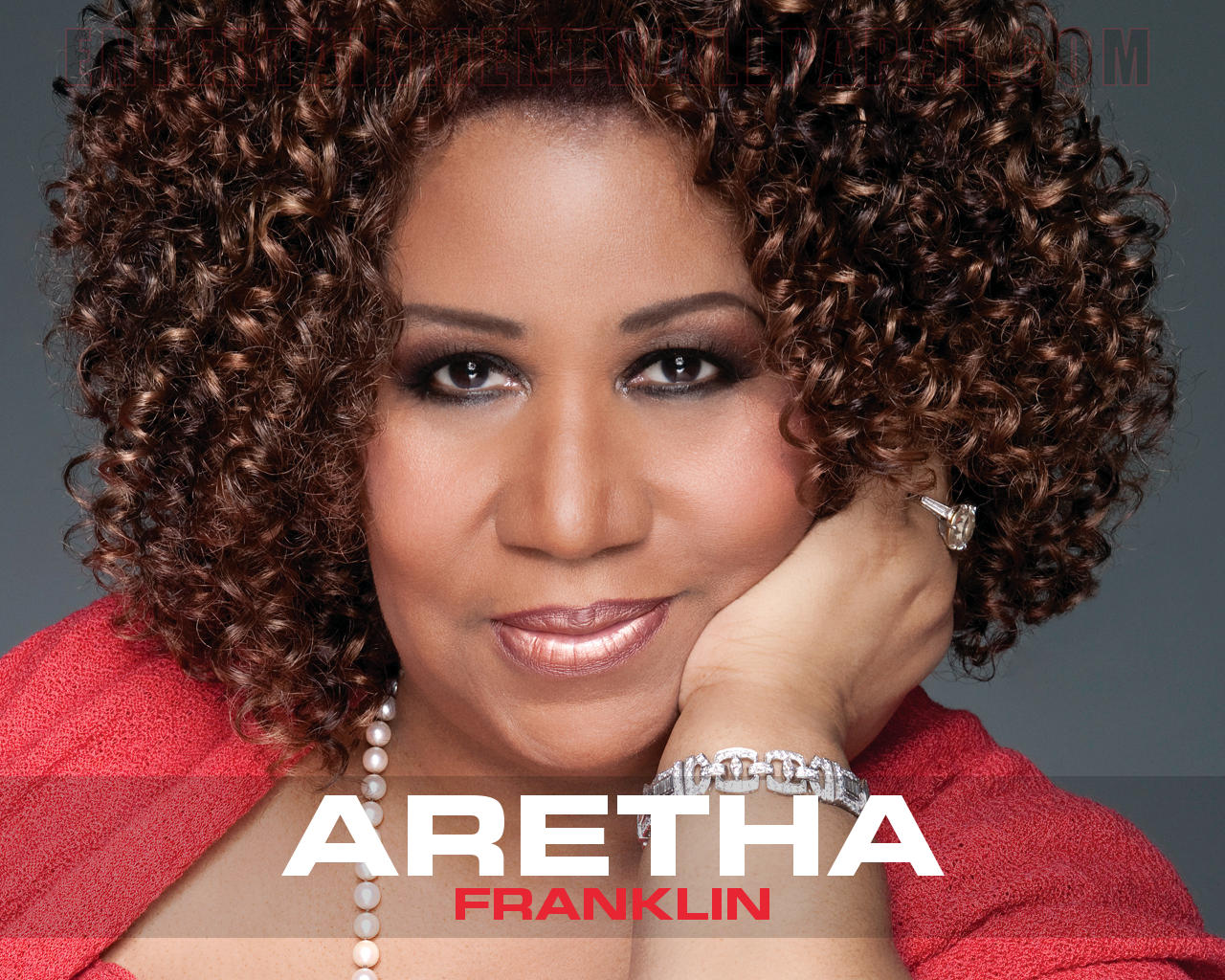
Aretha-aretha-franklin-27121751-1280-1024Gelly:  “Maybe the black community needs to make Aretha Franklin their spokesperson.”

Jordan:  “I know that was intended as a tongue-in-cheek comment but it is an interesting idea.”

Gelly:  “At least her music could be the foundation for beginning to make the change.  R-E-S-P-E-C-T.”

Jordan:  “I think that would be a great start.”

#119 Discrimination Is Not the Issue? (Part 2)

19 Thursday Mar 2015

Posted by Jordan Abel in Personal Stories, Rebranding Black Community, Societal Issues

≈ Leave a comment

(Readers: The blog centers around the author’s prediction that the US will experience a 5th revolution by 2020-2025.  Some early vignettes precede the revolution; later vignettes follow the revolution.  Many characters appear regularly.  More about the blog and the author.)

(Scene” Jordan having coffee with administrative assistant, Gelly.  The conversation continues after a break for a coffee refill.  Link to Part 1.)

Gelly:  “So, how do you think blacks should change?”

Jordan:  “The very first step…and I think the first step taken by every other ethnic group…is a change in attitude.”

woman_parentGelly:  “Not sure I understand but how should they change?”

Jordan:  “Change the focus from the past to how they can improve.  Once they make such a change, there will be many people who be willing to help.  But blacks have to make the change first.”

Gelly:  “You said before the break that demanding others change attitudes toward blacks won’t really help.  Why?”

Jordan:  “Because you cannot force me to change my attitude.  I’ll change my attitude when I am ready.”

Gelly:  “Your approach sounds so abstract.  Have you got an example where the approach worked?”

Jordan:  “Remember the Great Carnac?”

carnacGelly:  “Of course.  But what does the Great Carnac have to do with this issue?”

Jordan:  “One of the most influential people in my life was the Great Carnac.  Not the real Johnny Carson Carnac but someone who helped me change my attitude and behavior.”

Gelly:  “You’ve mentioned the Great Carnac before but I’ve forgotten the context.”

Jordan:  “Years ago when I was in the corporate world, our department was spun off and set up as a separate unit.”

Gelly:  “OK, so what?”

stare-downJordan:  “The guy who took my former office and part of my former responsibilities turned out to be what I thought was a real pain in the you-know-what.”

Gelly:  “Yes, I know what.  What happened?”

Jordan:  “Our new group was having a training session and the Great Carnac was leading the session.  She had not earned the title the Great Carnac at that time.  After the session I talked to her about the problems with my colleague.”

Gelly:  “This guy have a name?”

Jordan:  “Yes, Mr. E. S. Cue.”

Gelly:  “And so what was the problem with Mr. E.S. Cue?”

Jordan:  “I thought he was making lots of poor decisions…at least by my standards.  I also thought that if the staffs involved reported to me again everything could be fixed.  I was, in effect, demanding things change.”

Gelly:  “And what did Carnac suggest?”

Jordan:  “She said I was the problem, not Mr. Cue.”

Gelly:  “Very perceptive.  And what did she suggest you do?”

Jordan:  “Before she offered a solution, she had me complete an exercise.”

Gelly:  “I like this.  The exercise was?”

Jordan:  “I had to picture myself as Mr. Cue sitting in my old office.”

Gelly:  “OK, then what?”

Jordan:  “I was to visualize myself walking into Mr. Cue’s office.”

Gelly:  “And?”

Jordan:  “I was to blurt out the first word that came to Mr. Cue’s mind as I walked through the door.  She insisted I say the first word, no matter what the word was.”

Mickey-Mouse-fingerGelly:  “So what was the word?”

Jordan:  “Really want to know?”

Gelly:  “Yes.”

Jordan:  “The polite version is a-hole.”

Gelly:  (laughing) “I can buy that.  Some people we work with now probably have the same thought as Mr. Cue.”

Jordan:  “Really?”

Gelly:  “Really…but only on occasion.  So what did she suggest you do?”

Jordan:  “Respect him.”

Gelly:  “That’s it?  Respect him?  Like Aretha wanted r-e-s-p-e-c-t?”

Aretha-aretha-franklin-27121751-1280-1024Jordan:  “Like Aretha.  Respect something about him.  Anything I could find.”

Gelly:  “Then what was supposed to happen?”

Jordan:  “My problems with Mr. Cue would go away.”

Gelly:  “That seems so simple.  Did it work?”

Jordan:  “Yes, it did work and getting there was surprisingly easy.”

Gelly:  “How’d you do it?”

Jordan:  “Remember the book, ‘The Little Engine that Could’?”

little-engineGelly:  “Great book with a great theme, ‘I think I can; I think I can.’”

Jordan:  “I changed the words slightly to ‘I know I respect him; I know I respect him.’”

Gelly:  “When did you start changing your attitude?  And how?”

Jordan:  “I started that afternoon.  The men’s room was about halfway between Cue’s office and my office.  About 2:00pm…and don’t ask me why I remember the time but I do… we both headed to the men’s room.”

Gelly:  “Them what happened?”

Jordan:  “I kept trying to find something about him to respect.  I found something but I cannot remember what it was.”

Gelly:  “And your problem went away?”

Jordan:  “Not that afternoon.  But every time I was around him, I kept saying to myself, ‘I know I respect him; I know I respect him.'”

Gelly:  “Then the problem went away?”

Jordan:  “In about four months, Mr. Cue retired unexpectedly.”

Gelly:  “Really?  What a break.”

Jordan:  “And when I went to his retirement party you would have thought I was his long-lost friend.”

Gdarth_vader_by_mehdiinconnu-d4rdopcelly:  “So you went from arch-enemy — Darth Vader – to long-lost friend in four months?”

Jordan:  “Yep.”

Gelly:  “And you really believe your showing respect is what changed the relationship?”

Jordan:  “Yep.  I’ve had the same experience several times, although now I try not to let relationships deteriorate.”

friendsGelly:  “That experience is really interesting.  You think the same approach could work for the black population?”

Jordan:  “Yes.  But I have to think…and this might be unpopular and certainly not politically correct…that if blacks took the first step and started to show more respect for others, then the attitude of many people would begin to change also.  Much like what happened with Mr. Cue.  Remember I took the initiative.”

Gelly:  “The approach does seem counter-intuitive and certainly controversial.  By showing respect, does that make blacks feel subservient to whites?  Has the feeling of the Jim Crow era.”

Jordan:  “Hold that thought.  I need to take a break.”

#118 Discrimination Is Not the Issue? (Part 1)

16 Monday Mar 2015

Posted by Jordan Abel in Innovative Thinking: Ideas and Products, Societal Issues

≈ 2 Comments

(Readers: The blog centers around the author’s prediction that the US will experience a 5th revolution by 2020-2025.  Some early vignettes precede the revolution; later vignettes follow the revolution.  Many characters appear regularly.  More about the blog and the author.)

Scene: Jordan having coffee with his administrative assistant, Gelly.

Gelly:  “Jordan, don’t we need to get back to the office?  What if someone calls – I mean someone really important.”

Jwoman_parentordan:  “Relax, Gelly.  The real important contacts…if we really have any…”

Gelly:  “Well, POTUS is important, really important.”

Jordan:  “All those contacts have the number for my secure cell phone.  Besides, what could be so important?  I’m not involved in any black-hole stuff.”

Gelly:  “You’re not?  I thought you were some big-shot guy.  I’m disappointed.”

Jordan:  “Thanks for the vote of confidence.”

Gelly:  “Jordan, you know how much I like you.  Why are we here?  We have coffee in the office?”

TurtleneckJordan:  “We’re here because I need your advice.  And you are good at listening and giving sound advice.”

Gelly:  “Thanks for the compliment and your vote of confidence.  OK, what’s the issue?”

Jordan:  “I can’t decide if I’m getting to be a grumpy old codger and out of touch or…”

Gelly:  “Hold the ‘or.’  You’re not a grumpy old codger to me.  But, to those teenagers over there, you’re probably a grumpy old codger…at least they think you’re old.”

Jordan:  “They think their parents are grumpy old codgers…and their parents are probably younger than we are.”

Gelly:  “For sure.  Now what’s the real issue you want to talk about?”

Jordan:  “I don’t understand the tone of the conversation about discrimination.”

Gelly:  “I’m not sure what you mean.”

Jordan:  “A lot of the conversation about blacks seems to conclude that blacks are discriminated against because of race.”

Gelly:  “I don’t see what the issue is – there is discrimination against blacks.”

blameJordan:  “I didn’t say discrimination was not an issue.  Every civilization has discrimination.  My frustration is the proposed solution.  Every body wants to blame the other guy for discriminating.”

Gelly:  “People have to stop discriminating.”

Jordan:  “Gelly, that’s never going to happen.”

Gelly:  “Why not?”

Jordan:  “You cannot legislate or mandate attitudes or morality.  You know that.”

Gelly:  “I know…but what else can be done?”

Jordan:  “Only one thing I know of.”

Gelly:  “OK, great and wonderful Oz, what’s that?

Jordan:  “People who are being discriminated against need to quit demanding others stop discriminating.”

Gelly:  “Huh?  You saying those being discriminated against need to stop demanding others change their behavior?”

Jordan:  “You got the picture.  They’ve got to get off the same old street and take a different road.change-old-street-sign-bigst”

Gelly:  “And what are those on the short end of the stick supposed to do?”

Jordan:  “Change their behavior.”

Gelly:  “So if I’m being discriminated against, I need to quit demanding you stop discriminating…but change my own behavior?”

Jordan:  “Yep.”

Gelly:  “That’s a pretty radical idea.  You think it will work?”

Jordan:  “Yep.  What’s the downside?  It’s 50+ years after the civil rights marches, passage of the Voting Rights Act and some other laws…and what’s really changed?”

Gelly:  “Other than some cosmetics, probably not much.”

Jordan:  “Now, think about this.  Changing behavior has worked for every other ethnic group that entered the US.  Look at the list.”

different groupsGelly:  “Italians, Irish, Japanese, Chinese, Jews…and Hispanics today.  All of them suffered discrimination, and some pretty severely.”

Jordan:  “That’s my point.”

Gelly:  “But those groups were different from blacks?”

Jordan:  “How?”

Gelly:  “Blacks were brought over as slaves…and the others weren’t.”

Jordan:  “What about Chinese laborers who were forced to work building railroads in the west?  What about the Japanese being interned in WWII?”

Gelly:  “Alright.  Point well taken.  But I need to think about your idea some more.  Let me get a refill.”

(To be continued.)     

#117 Stop Turning Society into Mush

12 Thursday Mar 2015

Posted by Jordan Abel in Societal Issues, Stupid Is as Stupid Does

≈ Leave a comment

(Readers: The blog centers around the author’s prediction that the US will experience a 5th revolution by 2020-2025.  Some early vignettes precede the revolution; later vignettes follow the revolution.  Many characters appear regularly.  More about the blog and the author.)

Enough of being politically correct, already. It’s going to make the country turn to mush.

Mush: 1. A thick porridge or pudding of cornmeal boiled in water or milk; 2. Something thick, soft, and pulpy.

The following is a classic case of stupid is as stupid does.

What’s the case? Recently members of the SAE fraternity at University of Oklahoma sang some songs and made some statements on a private bus following a party. Some of the words were not polite and some of the members chanted phrases that most would consider racist.

Were the chants directed at anyone directly? Was anyone threatened? Since the only those on the bus heard the chants, an emphatic “no.”

What turned the event into a classic case of “stupid is as stupid does” began after the bus trip.  Someone on the bus took a video, then posted the video on the web. A few people saw the video.  Someone in the initial viewing group took offense.  The video went viral and then “stupid is as stupid does” took over.

king-solo-hiThe self-proclaimed king of political correctness, the president of University of Oklahoma, lept into action. The PC king of UofOK thought it was okay to expel two students for remarks made in private. Has the OK king heard of the 1st Amendment?

Following closely behind the OK king was SAE headquarters, which closed the chapter house and ordered everyone out of the fraternity house. And, of course, the OK king refused to have the university assist in finding housing.

The OK king insisted publicly the students must pay for what they did wrong. Alright, most everyone agrees some of the comments were lewd, insensitive and even stupid. Hey, we’re talking about college students, who probably had too much to drink…but were at least smart enough to rent a bus.

BTW, OK king, aren’t you the head of a large public education institution?  How are Black School Teacheryou setting an example by making this event a teachable moment? Unless the world has changed, I thought universities were for education. Do you know anyone…and I mean anyone…who went to through four years of college and didn’t say or do something stupid?

Should there be some consequences for poor judgment? Sure. But make the consequence something that will lead to improvement. Why not have the SAE members complete a community service project with the black fraternity? There are lots of good ideas.

The kind of punishment mandated by the OK king is likely going to have the opposite effect – the punishment is going to divide society further. Plus, the punishment could create legal problems for the University of Oklahoma.

In an interview on PBS news (March 11, 2015), the OK king took political correctness one step farther by suggesting all fraternities should have a broader mix of ethnic backgrounds for members. C’mon pal. I’m now required to have a quota for my friends?

Let’s turn this situation around. If blacks were supposedly intimidated by whites chanting on the bus, where no one else could hear them, then what about whites who claim to be threatened by the presence of black students? Should the black students be expelled?

backwards-dayThe back aswards logic is a very slippery slope and pits one segment of society against one another, rather than bringing segments together. I guess next time I go to synagogue, I’ll bring some Christians, Muslims and Hindus to make sure the group is balanced ethnically.

Do we…societal we…need to respect one another? Yes. But let’s be realistic about people’s behavior and attitudes. Be careful about being holier than now.

How does this commentary fit into the theme of the blog? When I started the blog, I thought the Revenge Revolution would be driven primarily by economic factors. While economic factors will play a major influence, I’ve shifted my thinking. The Revenge Revolution will be driven also by the unintended consequences of the desire to have everyone be politically correct…and then people will wake up and decide they don’t want to be like mush.

#115 Just a Matter of Zero’s

26 Thursday Feb 2015

Posted by Jordan Abel in Personal Stories, Societal Issues

≈ Leave a comment

(Readers: The blog centers around the author’s prediction that the US will experience a 5th revolution by 2020-2025.  Some early vignettes precede the revolution; later vignettes follow the revolution.  Many characters appear regularly.  More about the blog and the author.)

Scene:  Jordan talking to son (Steve) of a long-time friend.

Son of Friend:  “Mr. Abel, I need some advice.”

Jordan:  “The first piece of advice is call me Jordan, and not Mr. Abel.”

Young manSon of Friend:  “Yes, sir.”

Jordan:  “Excuse me, Stevie, no more ‘mister,’ no more ‘sir,’ just Jordan.  Got it?”

Stevie:  “Yes, sir…I mean Jordan.  You know it is hard for me to call older people by their first names, especially friends of my parents.”

Jordan:  “I understand.  I had the same training as you did.  I appreciate the show of respect but we are in the real business world so Jordan is fine.”

Stevie:  “OK, Jordan.”

Jordan:  “Now you got it.  How may I help, Stevie?  I mean Steve.  I’ve known your pTurtleneckarents for a long time.  And, you’ve always been Stevie to me.  But no more.  Now you’re Steve.  We’re even on names.”

Steve:  “Even.  According to my parents…and my research…you’ve worked at very large companies, start-up companies and even consulted for government.  I’m trying to decide where I should work.”

Jordan:  “First, you should find a job where you can contribute…and have fun.”

Steve:  “What about a job where I can make the most money?”

Jordan:  “Alright but let’s talk about what are the most important things to you?  And Money-clip-artby things I don’t mean material objects – like cars, or clothes.”

Steve:  “I’m not sure what’s most important.  Never really thought about it.”

Jordan:  “Now might be a good time to start.  But don’t feel bad.  A lot of people go through life and never really understand what’s Important to them.”

Steve:  “So you’re suggesting I find a job that I really like?”

Jordan:  “Yes.  I know this is a cliché but life is too short to spend time being unproductive…and being unhappy.”

Steve:  “I’d like to be productive and have fun…but what about the money?  I want to make lots of money….at least I think I do.”

Jordan:  “Let’s back up and first think about what’s really important to you.  Then, if making lots of money is on the important list, find a job where you can make lots of checklistmoney.  My guess is, if you are true to yourself, there will be some items before to get to the money part…and money might not be on the list.”

Steve:  “Odd that you say money won’t be on the list.  Was it on your list?”

Jordan:  “Want to know the truth?  It’s never been on my list.”

Steve:  “But you’ve been successful financially.  No the richest guy around but living very comfortably.”

Jordan:  “You’re right.  Funny, but for me money has always been there.  Never worried about it and never really thought about it.”

Steve:  “C’mon, really?”

Jordan:  “Don’t misinterpret my comments.  Maybe I should phrase them differently.  I’m sure you’ve heard this before but money does not buy you happiness.”

Steve:  “You sound like my mother.  I know if I had lots of money I would be happy.”

Jordan:  “Would you really be happy with lots of money?  You know some people whose families have lots of money.  Are they all happy?”

Sroyalty-free-cell-phone-clipart-illustration-1067376teve:  “Well, not really.  Even the kids are not happy.  They always seem to want more.”

Jordan:  “And do you know people who don’t have a lot of money who are very happy?”

Steve:  “Yes.  Mmmm, now I see what you mean.  Like I said, never really thought about it before.”

Jordan:  “We are making progress.”

Steve:  “But, let’s go back to my original question.  Where should I try to get a job?  Large company, small company, start-up…or even government.  My dad would shoot me but I could work for government.  Really, Jordan, what’s the difference among these groups?”

JResearch_tnbordan:  “What I am about to say might sound illogical but most of the difficulty in making an organization effective has nothing to do with the size of the organization…or the product …or the service?”

Steve:  “Really?  What causes most of the problems?”

Jordan:  “People.  People make or break an organization.  Doesn’t matter  if we’re talking about the local ice cream stand, a giant auto company, a software company or a government agency.  It’s people.”

Steve:  “Are you saying the problems are about the same in all organizations?  Doesn’t matter if they are large or small?  Private or public?  Start-up or 100 years old?”

Jordan:  “Exactly.  The only difference in a small organization and a large organization zeros-2br85lzis the number of zeros on the income statement.  Big companies and big government have lots of zeros and small companies don’t have many zeros.  But they all have one thing in common….”

Steve:  “…people.  Now you have my head spinning.  I need to take a break and think about this.  Thanks, Mr. Abel…I mean Jordan.”

#114 Fixed Fuel Price: Incentives for More Domestic Production (Part #10)

21 Saturday Feb 2015

Posted by Jordan Abel in Economics, Infrastructure & Fixed Fuel Prices, Innovative Thinking: Ideas and Products, Societal Issues

≈ Leave a comment

(Readers: The blog centers around the author’s prediction that the US will experience a 5th revolution by 2020-2025.  Some early vignettes precede the revolution; later vignettes follow the revolution.  Many characters appear regularly.  More about the blog and the author.)

(Background for this series of entries. Earlier POTUS asked Jordan for ideas how to convince politicians and the public that it would be a good idea to fund rebuilding US infrastructure by fixing the price for gas and diesel fuel.  Original conversation with POTUS Entries #104, #105.)

Scene: Jordan’s office.  Receives call from POTUS.

Jordan:  “Hello, Mr. President.  Nice to hear from you.”

021214_1242_24Resultsof1.gifPOTUS:  “Jordan, I called to thank you for all the help getting Congress to support the idea of funding rebuilding infrastructure with a fixed fuel price.  That was quite an achievement.”

Jordan:  “I didn’t really do anything.”

POTUS:  “You might not think so but I do.  The key was support from the oil-and-gas industry executives.  When they bought into the idea, Congressional Republicans had no reason to resist.”

TurtleneckJordan:  “Pleased I could help.  What else is on your mind?”

POTUS:  “Jordan, so cynical.  Why would you think I called about something else?”

Jordan:  “Why?  Because you are not bashful about asking.  And I appreciate being asked.”

POTUS:  “Well, since you are so eager, I do have another request.”

Jordan:  “Why do I volunteer like this?  What do you need help with?”

POTUS:  “Need you to be on call for the group putting together the details how to implement the fixed price for fuel plan.  The concept is easy to understand but there are some sticky details.  And we’re going to need some rules.”

JUsed Car royalty-free-car-salesman-clipart-illustration-443283ordan:  “You’re not suggesting some companies might try to game the system?”

POTUS:  “Of course not (laughing).  But we really need some clear rules for a couple of areas.”

Jordan:  “Such as?”

POTUS:  “For starters we need to agree on the maximum fuel price.  If the retail price is $5.00, do we set the maximum portion for fuel price at say $3.00?  And how do we adjust that price over time?”

Jordan:  “What about source of the fuel?”

Poil-clip-art-2589801-illustration-of-oil-rigOTUS:  “We need to have a high percentage of fuel from domestic sources.  One of the benefits of the plan is to increase availability of domestically produced fuel.  But how much is enough?”

Jordan:  “What about some protection of the environment while encouraging domestic production?  Republicans are going to push for drilling in the Arctic National Wildlife Refuge.  How will sensitive environmental areas be protected?”

POTUS:  “You’re getting the picture why I want you to be on call.  You have a more balanced perspective on these issues.”

Jordan:  “Alright, I’ll make myself available.”

POTUS:  “Good.”

Tax CutsJordan:  “Here’s a thought.  One way to make encourage domestic production and avoid environmental areas is to offer a tax incentive to extract more oil from existing fields rather than drilling new.”

POTUS:  “I forgot you were involved with an oil-and-gas company.  You must be an expert.”

Jordan:  “My knowledge might fill a couple of thimbles, which qualifies me as dangerous.”

POTUS:  “Welcome to Washington.  Many of the so-called experts here don’t have enough knowledge to one thimble, let alone two.  You think the incentives would work.”

thimbleJordan:  “Yes.  For example, I know that mapping technology – think GPS but underground rather than satellites – and integration of certain software programs can point out many untapped reservoirs, or reservoirs that have lots of oil and gas left behind.”

POTUS:  “How much do you think?”

Jordan:  “I’ve heard the geologists and petrophysicists claim that in the US alone at least 70% of the oil and gas remains untapped…and it might be as high as 90%.”

POTUS:  “That’s the kind of data we need to counter the argument about drilling in ANWR and other sensitive areas.”

Jordan:  “I can get these geologists and petrophysicists guys to testify before Congress if necessary.”

POTUS:  “That would be great.  By the way, what’s a petrophysicist do?  I’ve never heard that term before.”

Jordan:  “Neither had I.  It’s the guy who analyzes the rock formation for how much and how fast the oil or gas will flow…and a bunch of other stuff.”

POTUS:  “Doesn’t a geologist do that?”

Jordan:  “At a macro level.  But the petrophysicist works with the driller…at least the good ones do.  Think of economics.  The geologist is more like macroeconomics.  The petrophysicist is more like microeconomics.”

POTUS:  “That helps a little bit.”

PP_For_Dummies_0_IntroductionJordan:  “Don’t feel bad.  I had no idea what a petrophysicist did.  Then I found a segment on YouTube based on a book titled “Petrophysics for Dummies.”  I watched it and, as they say, now I are an expert.”

POTUS:  “I might watch it, sometime…after I’m out of this place.  Jordan, thanks again for the help.  I’ll let the implementation team know you are available.”

Jordan:  “You’re welcome, Mr. President.  Call any time.”


#113 Oil Industry Buys into Fixed Price for Fuel (Part 9)

14 Saturday Feb 2015

Posted by Jordan Abel in Economics, Infrastructure & Fixed Fuel Prices, Innovative Thinking: Ideas and Products, Societal Issues

≈ Leave a comment

(Readers: The blog centers around the author’s prediction that the US will experience a 5th revolution by 2020-2025.  Some early vignettes precede the revolution; later vignettes follow the revolution.  Many characters appear regularly.  More about the blog and the author.)

(Background for this series of entries. Earlier POTUS asked Jordan for ideas how to convince politicians and the public that it would be a good idea to fund rebuilding US infrastructure by fixing the price for gas and diesel fuel.  Original conversation with POTUS Entries #104, #105.)

Scene: Jordan on the phone with Oil Man, who recently gave talk at an oil-industry trade show.

Jordan:  “Oil Man, thanks for making the speech to the API (American Petroleum Institute) meeting.  Understand you did a great job.”

cowboy-clip-artOil Man:  “Thanks, Jordan.  Not sure all my colleagues liked it but the reception was better than I expected.”

Jordan:  “No one booed?”

Oil Man:  “At least not too loud.”

Jordan:  “I thought your link to the Gettysburg Address was masterful.  ‘Two score and about 10 years ago…”

Oil Man:  “Well, it was just about 50 years ago that the energy world changed.  Those little Middle East…”

Jordan:  (Interrupting Oil Man) “Don’t call them that Oil Man…at least not on the phone.”

Oil Man:  “That’s what they deserve to be called…little you know what’s.”

TurtleneckJordan:  “Why do you feel that way?”

Oil Man:  “C’mon, Jordan.  At times I wonder what world you live in.”

Jordan:  “Keep going.”

Oil Man:  “Not to worry.  I was going to continue talking anyway.  If it had not been for American oil companies doing all the work, the ‘you-know-what’s’ would still be riding around on camels and living in tents.”

Jordan:  “Calm down, Oil Man.  Be more diplomatic.”

camel-rider-36033Oil Man:  “Why?”

Jordan:  “When the oil companies got involved, I’m not sure they really analyzed all the possible outcomes.  Sometimes actions have unintended consequences.”

Oil Man:  “Face it Jordan, you are turning into some pointy-headed academic.  We help these guys and then they turn against us.  You of all people should appreciate that.  Many of them don’t think you ought to exist.”

Jordan:  “I agree they’re rough on Israel.”

Oil Man:  “…and many deny the Holocaust.  And you call that ‘rough’?  I’d call it being a real a-hole.  Now, see how polite I was.”

Jordan:  “I think the only reason they leave Israel alone is there’s no oil…plus the superior Israeli military.”

Oil Man:  “How ‘bout that.  Moses spends 40 years wandering around and picks the one spot in the area with no oil.  I guess that’s funny…but in the long run probably best for Israel.  One gets more creative when resources are tight.”

Jordan:  “Back to the topic at hand.  Talk more about your colleague’s reception to the fixed_price_left_imgidea of fixed price for fuel.”

Oil Man:  “Frankly, the reception was much better than I ever imagined.  I think most of the oil-and-gas CEO’s will support POTUS’ proposal.”

Jordan:  “Good.”

Oil Man:  “But the reason for supporting is probably different from what you think.”

Jordan:  “Another unintended consequence?”

Oil Man:  “Exactly.  Executives like the idea of a fixed price because it makes it easier to run the business.”

Jordan:  “Reduces competition?”

Oil Man:  “Not really.  In fact, it probably increases competition, especially from alternative energy sources.”

Jordan:  “You mean wind and solar?”

Oil Man:  “Yes.”

Jordan:  “Then what’s the attraction?”

Oil Man:  “A fixed price for fuel reduces…effectively eliminates…the impact of the wide swings in spot process for oil and gas.  Those swings where like a whipsaw.  When spot prices were high, the oil companies were in hog heaven.  When prices were low, exploration stopped and widespread layoffs occurred.  The whole process was…I should say is…terribly inefficient.”

Jordan:  “So you think the fuel companies – including companies selling alternative fuels – will support the idea…and actually develop more domestic fuel sources.”

Oil Man:  “Think about second half of 2014.  Price of oil drops like a rock.  And what happens?  Oil companies, even the big ones, stop exploration.”

Jordan:  “Isn’t that good for companies producing lower-emission fuels?”

Oil Man:  “Did you learn anything in school?  Profits at oil companies are plummeting because fuel prices are falling.  Why would that be good for alternative fuels, which fallingPricescost a whole lot more?”

Jordan:  “Capitalism at its best…letting the market sort out the weak players and who should stay and who should go.”

Oil Man:  “Except with the current system the US is more dependent on foreign sources – and being so dependent really does hurt national security.”

Jordan:  “Well, well.  So the old Texas oil cowboy is not quite so rough-and-tumble after all.”

Oil Man:  “You’ve known me a long time.  And you know that part of my ‘tough-guy’ persona is for show…and many of my colleagues as well.”

Teddy_Bear_PocketJordan:  “So deep down, oil guys are really like cuddly teddy bears??

Oil Man:  “I wouldn’t go that far but I know many in the oil industry…and many will find this hard to believe…care about America and care about the environment.”

Jordan:  “May I quote you on that?”

Oil Man:  “Might as well lose all my credibility.  Yes, Jordan, you may quote me.”

Jordan:  “Great.  Thanks.”

Oil Man:  “Now, please let me go before I throw up over my own remarks.”

Jordan:  “OK bye, Oil Man.  Talk soon.”

← Older posts
Newer posts →

Subscribe

  • Entries (RSS)
  • Comments (RSS)

Archives

  • August 2025
  • July 2025
  • June 2025
  • May 2025
  • April 2025
  • March 2025
  • January 2025
  • December 2024
  • November 2024
  • September 2024
  • August 2024
  • July 2024
  • June 2024
  • May 2024
  • April 2024
  • March 2024
  • February 2024
  • January 2024
  • December 2023
  • November 2023
  • October 2023
  • September 2023
  • August 2023
  • July 2023
  • June 2023
  • May 2023
  • April 2023
  • March 2023
  • February 2023
  • January 2023
  • December 2022
  • November 2022
  • October 2022
  • September 2022
  • August 2022
  • July 2022
  • June 2022
  • May 2022
  • April 2022
  • March 2022
  • February 2022
  • January 2022
  • December 2021
  • November 2021
  • October 2021
  • September 2021
  • August 2021
  • July 2021
  • June 2021
  • May 2021
  • April 2021
  • March 2021
  • February 2021
  • January 2021
  • December 2020
  • November 2020
  • October 2020
  • September 2020
  • August 2020
  • July 2020
  • June 2020
  • May 2020
  • April 2020
  • March 2020
  • February 2020
  • January 2020
  • December 2019
  • November 2019
  • October 2019
  • September 2019
  • August 2019
  • July 2019
  • June 2019
  • May 2019
  • April 2019
  • March 2019
  • February 2019
  • January 2019
  • December 2018
  • November 2018
  • October 2018
  • September 2018
  • August 2018
  • July 2018
  • June 2018
  • May 2018
  • April 2018
  • March 2018
  • February 2018
  • January 2018
  • December 2017
  • November 2017
  • October 2017
  • September 2017
  • August 2017
  • July 2017
  • June 2017
  • May 2017
  • April 2017
  • March 2017
  • February 2017
  • January 2017
  • December 2016
  • November 2016
  • October 2016
  • September 2016
  • August 2016
  • July 2016
  • June 2016
  • May 2016
  • April 2016
  • March 2016
  • February 2016
  • January 2016
  • December 2015
  • November 2015
  • October 2015
  • September 2015
  • August 2015
  • July 2015
  • June 2015
  • May 2015
  • April 2015
  • March 2015
  • February 2015
  • January 2015
  • December 2014
  • November 2014
  • October 2014
  • September 2014
  • August 2014
  • July 2014
  • June 2014
  • May 2014
  • April 2014
  • March 2014
  • February 2014
  • January 2014
  • December 2013

Categories

  • Affordable Solutions
  • Back Asswards Thinking
  • Background
  • Background Stupid Is as Stupid Does
  • Benefits of Revolution
  • Causes of the Revolution
  • Common Sense Policies
  • Corporate Policy
  • Definitions
  • Diversions
  • Economics
  • Education Issues
  • Federal Budget
  • General Motors
  • Gov't Policy
  • Infrastructure & Fixed Fuel Prices
  • Innovative Thinking: Ideas and Products
  • Lessons of Revolution
  • Personal Stories
  • Possible Solutions
  • Post Trump Presidency
  • Rebranding Black Community
  • SCOTUS
  • Sense Check
  • Societal Issues
  • Stupid Is as Stupid Does
  • Tech Tsunami
  • Trump 47
  • Uncategorized

Meta

  • Create account
  • Log in

Blog at WordPress.com.

Privacy & Cookies: This site uses cookies. By continuing to use this website, you agree to their use.
To find out more, including how to control cookies, see here: Cookie Policy
  • Subscribe Subscribed
    • usrevolution5
    • Join 32 other subscribers
    • Already have a WordPress.com account? Log in now.
    • usrevolution5
    • Subscribe Subscribed
    • Sign up
    • Log in
    • Report this content
    • View site in Reader
    • Manage subscriptions
    • Collapse this bar
 

Loading Comments...