• Home
  • Booklets/Grouped Entries
  • Tech Tsunami
  • List of Entries to Date
  • About the Author

usrevolution5

~ USA Headed for a 5th Revolution! Why?

usrevolution5

Author Archives: Jordan Abel

#250 Who Took Out the Donald? (Part 7)

22 Monday May 2017

Posted by Jordan Abel in Causes of the Revolution, Stupid Is as Stupid Does

≈ Leave a comment

First-time readers, the dialogue in this blog is set in the future (sometime after the year 2020).  Each entry assumes there has been a 5th revolution in the US — the Revenge Revolution.  More about Revenge Revolution and author, Entry #1.  List and general description of entries to date.  Annual assessment if Revolution plausible.

Note: most characters appear in a number of entries, with many entries building on previous conversations.  Profile of characters.  You’ll catch on quickly.  Thanks for your time and interest…and comments.  Series about “Who Took Out the Donald?’ begins Entry #244.

Scene: Restaurant Washington, DC near Jordan’s office.  Jordan, Gelly (Jordan’s assistant) and two-long time friends having drinks and hors d’oeuvres.   

(Coffee delivered to table)

Waiter 2Jordan:  “Gelly, good idea about ordering coffee.  Waiter, when you get a chance, I’ll take the check, please.”

Gelly:  “So, Jordan, I’ve been listening to your rationale about the FBI taking out the Donald.  I agree the idea seems plausible, even logical, but…”

JC:  “…excuse me for interrupting, Gelly.  I agree with you.  Plausible, yes.  Likely, maybe.  But what else info do you have to support the argument?

Jordan:  “Greenie, where are you in this?”

Greenie:  “I’m all ears waiting for more of your rationale.”

Jordan:  “OK.  If you guys buy-in so far…and it seems as if there’s more than enough evidence already to support my argument…”

092615_2031_Characters1.jpgJC:  “Get to the point, please.”

Jordan:  “Tough crowd.  And tell me why I’m buying dinner?

Greenie:  “We like you Jordan.  We just want you to quit wandering.”

Jordan:  “What convinced me the FBI realized they needed to take out the Donald was his repeated public implications that Comey was either lying or, as he told the Russians, that Comey was some kind of ‘nut case.’  It’s not smart to belittle the well-respected head of an agency that’s investigating you, especially if it’s the FBI.”

092615_2031_Characters2.jpgGreenie:  “I recall Trump calling Comey a nut case…to the Russians no less…but don’t recall him claiming Comey was lying.”

Jordan:  “Trump was a master of one thing – false implication.”

Gelly:  “At least he was a master of something.”

Greenie:  “Nice jab, Gelly.”

Jordan:  “I recall…must have been the second week when all the Comey stories broke…that Trump started rambling during a press conference with some non-critical head-of-state and made some strong implications that Comey had lied.  That was a few days after he implied there were tapes implicating Comey.”

trump-scowlGreenie:  “Of course, Trump never produced the tapes.  In fact, from what I understand from the few people I still know in the right places, the FBI was likely taping Trump’s conversations.  I don’t know if the Donald ever understood how sophisticated the FBI technology was for listening in on conversations.”

Gelly:  “What about Trump’s calls to Comey to get the FBI to drop investigating Trump’s staff’s dealing with the Russians?”

Greenie:  “You’d think a president would know not to try to influence the group investigating him.  What did he think Comey was going to do?”

Egotist CartoonJC:  “Remember, he’s Trump.  He’s the center of the universe and everyone else revolves around him.  He probably thought Comey would act all the other munchkins Trump employs or calls a friend…do what the boss man wants and don’t ask question.”

Greenie:  “Did he realize the government doesn’t operate like a family-held business?  Apologies for the rhetorical question.”

092615_2031_Characters7.gifGelly:  “Look, I’m not the brightest crayon in the box but I look like a genius compared to Trump.”

Jordan:  “Don’t sell yourself short Gelly.  I shouldn’t have been surprised but what really frustrated me was the lack of meaningful action by Trump’s staff.”

Greenie:  “You talking the big-dog staff or the munchkins like Sean Spicer and his what’s-her-name assistant press secretary?”

JC:  “You mean that Conway bimbo?”

Greenie:  “No, Conway wasn’t the assistant press secretary.  She was Ms. Alternative Facts.  She was awful, too.  Anyway, doesn’t matter now what her name was.”

Jordan:  “I meant the big-dog staff, agency heads like Tillerson and Mattis.  Plus Speaker of the House Ryan and Senate Majority Leader McConnell.  These guys were supposedly adults.”

Hide and SeekJC:  “So instead of being adults, these guys played hide-and-seek behind some fence.  In the meantime, Trump got more and more out of control.”

Jordan:  “I don’t know what the agency heads or Congressional leaders were waiting on before taking action against but they could not have been that blind.”

Greenie:  “Politics before country was their mantra.”

Gelly:  “So…and I know we’ve touched on a number of issues…so, when one assessed the risks of Trump’s crazy behavior and matched that behavior against the lack of action by either cabinet officials or leaders in Congress, the FBI concluded the Donald had to be taken out.  And then the FBI took him out, right?”

TurtleneckJordan:  “Gelly, you got it.  Great summary.  And with that I need to go.  Later, guys.”

(Unison):  “Bye Jordan.  Thanks for dinner.”

JC:  “Now that he’s gone, let’s start talking about stuff that really matters.”

Greenie:  “You mean like, Gelly, how are the kids?”

 (Conclusion of ‘Who Took Out the Donald?’…at least for now, anyway.)

#249 Who Took Out the Donald? (Part 6)

14 Sunday May 2017

Posted by Jordan Abel in Causes of the Revolution, Societal Issues, Stupid Is as Stupid Does

≈ Leave a comment

First-time readers, the dialogue in this blog is set in the future (sometime after the year 2020).  Each entry assumes there has been a 5th revolution in the US — the Revenge Revolution.  More about Revenge Revolution and author, Entry #1.  List and general description of entries to date.  Annual assessment if Revolution plausible.

Note: most characters appear in a number of entries, with many entries building on previous conversations.  Profile of characters.  You’ll catch on quickly.  Thanks for your time and interest…and comments.  Series about “Who Took Out the Donald?’ begins Entry #244.

Scene: Restaurant Washington, DC near Jordan’s office.  Jordan, Gelly (Jordan’s assistant) and two-long time friends having drinks and hors d’oeuvres.   

G092615_2031_Characters2.jpgreenie:  “Jordan, you buy Sandy’s story?”

Jordan:  “Sandy’s story is plausible.  But I don’t think he’s right.”

Sandy:  “OK, why not?”

Jordan:  “A couple of Special Forces guys taking out Trump is plausible, but…”

Sandy:  “So, you don’t like my logic?”

Jordan:  “I didn’t say that.”

092615_2031_Characters8.gifSandy:  “Then why not Special Forces?  What’s wrong with that?  A couple of buddies of mine from the black hole told me.”

Jordan:  “Sandy, you and I know better.   Guys in the black hole don’t talk…at least not outside a very small group.  And no insult to you, but I don’t think you’re in that group.”

Greenie:  “OK, Jordan, if Sandy’s story isn’t right, then who did take out the Donald?”

Jordan:  “My best guess is the FBI.”

Greenie:  “Why?”

Jordan:  “Just think back to how Trump insulted the FBI as an agency…and then fired the head of the FBI,  James Comey.”

traitorJC:  “In the course of a few days, Trump also embarrassed, more like stabbed in the back, second in command at Department of Justice.  What was his name?”

Greenie:  “Rod Rosenstein.  Such a nice boy.”

JC:  “You sound like his mother, already.”

Jordan:  “So Trump fires Comey but does not have the courtesy to call the guy before he makes it public.”

Sandy:  “Didn’t Trump have some body guard deliver the message to FBI HQ?”

gangster-cartoon-clip-art-540pxJC:  “The delivery boy was a former body guard that Trump promoted to head of Oval Office security, or White House security, or some title like that.  Whatever the title, he was a thug in a suit guarding the Oval Office.”

Greenie:  “Let’s keep going down the FBI trail.  Trump fires Comey.  But the rationale for the firing kept changing.  I can’t remember how many times.”

JC:  “At first, I think Trump cited some letter from Rosenstein or Sessions that claimed the FBI had mishandled the Clinton email investigation.  Trump also claimed morale at the FBI was terrible and it was Comey’s poor leadership.”

Greenie:  “Except right after that claim the acting director of the FBI said morale at the FBI was very good and Comey highly respected…in public testimony before Congress, no less.”

JC:  “Then Donnie Boy changed the story again and claimed he’d been unhappy for some time and thinking of firing him.  Right, Donnie, Comey got you in the White House.  How quickly you forgot.”

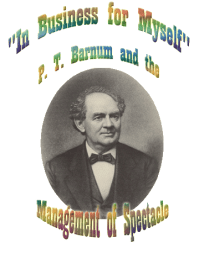
PT BarnumGreenie:  “And along the way with the ever-changing story, Trump claimed Comey was a showboat and publicity hound.  Pardon me?  Looks who’s calling the kettle black.  No one was more of a showboat that the Donald.  Mr. P.T. Barnum reincarnated.  The Donald always had to be at the center of the ring.”

Sandy:  “I get why you’re leaning toward the FBI.  Plus, I’ll bet the FBI had lots of tapes and other info about Trump and staff dealing with the Russians.”

Greenie:  “I agree with your logic…and that I think was the real reason for the firing.  And Trump’s threat of having unfavorable tapes about Comey was laughable.  But, if you’re the FBI, why not wait for Congressional committees to complete their investigations?  If there were a clear connection to Russia, Congress could impeach him.”

Jordan:  “I think there was more than ample evidence.  Congress should have started impeachment proceedings.  But the Mitch McConnell and the head of the Senate Committee, Richard Burr…”

092615_2031_Characters1.jpgJC:  “…from your great state of North Carolina…”

Jordan:  “…Please, NC is not my great state.  Anyway McConnell and Burr really sat on their hands so the investigation crawled along.  The House committee was even worse.”

JC:  “That’s what I’ve never understood.  As I recall, McConnell was re-elected in 2014 and Burr in 2016.  They both had plenty of time before the next election.  Why tie your wagon to a liar?  Why not do the right thing for the country?”

Jordan:  “I’ll never understand it either.  Either McConnell was like a deer in the headlight or had no kahunas.”

Siers Irwin and BurrGreenie:  “I think both.  Burr was more like McConnell’s lackey.  Certainly not like the NC senator during Watergate, Sam Ervin.” (Copy of Kevin Siers cartoon from Charlotte Observer.)

Jordan:  “I don’t understand either.  However, among the adults inside the Beltway, there was a real concern that Trump was out of control.  In fact, so out of control he really had no idea what was going on.”

Greenie:  “I know there are lots of examples of unusual statements.”

JC:  “You mean lies, right?”

trump-scowlGreenie:  “Well, lies too.  But statements where Trump seemed to have no clue about the topic.  Then he’d tried to cover his lack of knowledge with some statement, which often turned out to be head scratching.”

JC:  “An example come to mind?”

Greenie:  “Ya’ know, for some reason the incident I’m thinking about never got much coverage.  Maybe it was the topic or maybe all the other noise going on at the time.”

Sandy:  “So what’s the situation?”

Greenie:  “Discussion, I think in the White House but I can’t remember for sure.  Anyway the topic centers on linking affordable health care and economic growth.”

JC:  “Let me guess.  Trump states that health insurance cots the average family maybe $100 per month…no $200 per month.”

Greenie:  “Try $15 a month.  Then he rattles off some other economic statistics that are grossly wrong.  And sitting at the conference table are the head of HHS and the Treasury guy…you know the one from Goldman Sachs.  And do they correct him?”

Trump KingJC:  “Of course not.  The king had spoken.”

Sandy:  “Alright, you’re making me a believer about the FBI.  You think he was really that much out of control?”

Jordan:  “For the FBI, the icing on the cake, as it were, was Trump’s willingness to tell lies and make no effort to make any correction.  Barely 100 days into the Trump Administration, there had been so many lies that no one could be trusted…White House spokes people and certainly not Trump.”

TurtleneckGreenie:  “So the FBI must get a sense that the chaos in the White House could start spreading throughout the government, and then spread throughout the country.  Widespread chaos almost always leads to one…a revolution.  So given that risk, Trump was taken out.  All in favor of the FBI, raise your hands.”

Sandy:  “Unfortunately we still had a revolution.  Admittedly, it probably would have been much worse if the FBI…or somebody…had not taken action.  And speaking of taking action, I need to go.  Nice to see you all again.”

JC:  “Nice to see you.  Say goodbye Sandy.”

092615_2031_Characters7.gifGreenie:  “Goodbye Sandy.”

JC: “Gelly, you’ve been awfully quiet.  Everything OK?”

Gelly: “Just listening and I’m fine, thanks.  May we order some coffee, please?”

(Continued)  


#248 Who Took Out the Donald? (Part 5)

07 Sunday May 2017

Posted by Jordan Abel in Lessons of Revolution, Societal Issues, Stupid Is as Stupid Does

≈ Leave a comment

First-time readers, the dialogue in this blog is set in the future (sometime after the year 2020).  Each entry assumes there has been a 5th revolution in the US — the Revenge Revolution.  More about Revenge Revolution and author, Entry #1.  List and general description of entries to date.  Annual assessment if Revolution plausible.

Note: most characters appear in a number of entries, with many entries building on previous conversations.  Profile of characters.  You’ll catch on quickly.  Thanks for your time and interest…and comments.  Series about “Who Took Out the Donald?’ begins Entry #244.

Scene: Restaurant Washington, DC near Jordan’s office.  Jordan, Gelly (Jordan’s assistant) and two-long time friends having drinks and hors d’oeuvres.   

Voice: You’re right about how much worse the Revenge Revolution could have been.  But the ‘who-done-it’ part is wrong.”

092615_2031_Characters7.gifGelly:  “And you are?”

Sandy:  “Well, I was at the next table and couldn’t help but hear the conversation.  And, you got a key part of it wrong.”

Gelly:  “Like I said, ‘who are you?’”

Sandy:  “Actually your buddy here…Jordan…knows me.”

Jordan:  “C’mon, how would I know you?”

Sandy:  “Let me give you a hint.”

Jordan:  “Wait…Sandy?”

Sandy:  “You got it Jordan.  So I’ve lost some weight…”

Jordan:  “…and grown a goatee.  You look good.  But what brings a guy like you to Washington?  This is not your kind of town.”

092615_2031_Characters8.gifSandy:  “Work here now.  Work for the…”

Jordan:  “…don’t tell us.  Let me guess…the NRA.  Right?”

Sandy:  “Yes, and loving every minute of it.”

JC:  “Could you guys do us a favor and let us in on your secret.  Who are you, Mr. NRA?”

Sandy:  “Obviously you don’t remember me but we’ve met before.  Your name’s something like ‘JC’, right?  And I’ve also met you (pointing to Greenie).  Your name is some color…but I’ve forgotten what color.”

092615_2031_Characters2.jpgGreenie:  “Greenie.  I vaguely remember you.  JC and I were having dinner with Jordan and we ran into you in the restaurant.”

Sandy:  “You got it.  And the third member of the female trio is…?”

Gelly:  “Gelly.  Nice to meet you Sandy…at least I think so.”

Jordan:  “Sandy, tell us what you think’s wrong about our theory of who took out the Donald.”

Sandy:  “Like usual, you pointy heads…you know I like you Jordan, but you are a pointy head…you’re making it too complicated.”

092615_2031_Characters1.jpgJC:  “In defense of Jordan, which I don’t do often, how’s it too complicated?”

Sandy:  “I agree the Russians, the CIA and even the FBI are good candidates to have taken out the Donald.  There were way too many loose cannons on the White House staff and all the agency insiders got real nervous.”

Greenie:  “You mean loose cannons in the White House like General Flynn?”

Sandy:  “He was borderline crazy and only out for himself.  His ego and greed got in the way of any rational thinking.”

JC:  “I agree there’s probably a bunch of other candidates who would qualify as incompetent…but who’s on your list of dangerous characters?”

Sandy:  “Rather than listing individuals, think about what Trump and his staff did…or at least tried to do for themselves.  Not do for Trump supporters, let alone do something for the populous, but just for themselves.”

Trumpcare Rose GardenGreenie:  “You mean like completely gutting healthcare for worker bees and transferring a bunch of money to themselves.  Everybody from doctors to Warren Buffett thought the House’s version of Trumpcare was terrible.  And the Donald and staff praised it, even gloated over it.  I still remember the picture from the Rose Garden.  Yuch!  What else?”

Gelly:  “Yeah, you mean the one-page tax plan that transferred even more money to the wealthy…and who knows how much was going to be transferred directly in the pockets of the Trump’s and the Kushner’s.”

JC:  “You mean like gutting all the environmental protection so Trump’s so-called Secretary of State could reward his buddies at Exxon by allowing then to drill willy-nilly drilling on Federal land?”

Sandy:  “And I’ll tell you one that might get me fired from my current employer.  Proposing that a concealed carry permit in any state must be honored nationwide was incredibly stupid.”

JC:  “Am I dreaming?  A NRA guy is actually saying what I just heard?”

Sandy:  “Yes, I said it.  That proposal would have allowed some local official in who-knows-where Wyoming with a population of 8,000 to have power over the mayor of NY City with a population of 8,000,000.”

Greenie:  “Wow, I’m impressed you feel that way.  Maybe this guy is all right after all.”

Wild West GunSandy:  “Look, even in the wild west, you had to check firearms in certain locations.  The wild west guys seemed to know more about the dangers of firearms than the dodo birds in the White House.”

Gelly:  “So where’s this conversation going?  Seems as if we’re off track.  I mean, like who killed JR?  Well, more like…”

JC:  “…more like who took out the Donald?  So Sandman, who do you think took out the Donald?”

Sandy:  “A couple of regular guys.  Maybe not regular guys by your standards, but hey, regular to me.”

TurtleneckGreenie:  “Are these NRA kinda guys?”

Sandy:  “Big time.”

Jordan:  “Former military?”

Sandy:  “Special forces and then some.”

Gelly:  “But weren’t these kinda guys big Trump supporters in the 2016 election?  So why would they take him out?”

 traitorSandy:  “You listed all the reasons – tried to repeal health care, tried to give more tax breaks to the wealthy, tried to gut EPA.  The supporters felt stabbed in the back.”

JC:  “But those actions seem to be the very reasons these guys voted for Trump in the first place.  What changed?”

Sandy:  “Remember that French lady who said something about letting the starving peasants eat cake?”

JC:  “You mean Marie Antoinette.”

Sandy:  “That’s the one.  And you know where she ended up.”

GuillotineJC:  “Maybe heads should have rolled at the White House sooner.  Sorry, that was too easy.”

Sandy:  “As I was saying, Trump’s let-tem-eat cake moment…really two moments…were when the worker bees started to realize he wasn’t delivering on the promise of higher-paying jobs.  The types of jobs he promised never came back.   And then the tax proposals that kept funneling money to his family.”

Greenie:  “Not to be a stick-in-the-mud, but making the first family rich has happened the last few administrations…and probably a lot longer.”

irs-logoSandy:  “I know, but at least the other guys didn’t try to get rich while in office.  Trump supporters didn’t want to believe at first what was really happening.  But when the tax returns got released, the evidence was in black-and-white.  All but the blind could see what was happening.”

 Gelly:  “So the Trump supporters are not making any progress financially and the Donald and family are getting richer by the day.”

Sandy:  “All those excuses about not being able to not release tax returns…all BS and a smokescreen to hide the truth about where the money came from and how much he was raking in.”

Greenie:  “So, now the initial Trump supporters are getting very upset.  Then, these so-called regular guys…at least by NRA standards…decide to take out the Donald.  Jordan, you buy Sandy’s theory?”

(Continued)            

#247 Who Took Out Howdy Doody…err the Donald? (Part 4)

30 Sunday Apr 2017

Posted by Jordan Abel in Lessons of Revolution, Societal Issues

≈ Leave a comment

First-time readers, the dialogue in this blog is set in the future (sometime after the year 2020).  Each entry assumes there has been a 5th revolution in the US — the Revenge Revolution.  More about Revenge Revolution and author, Entry #1.  List and general description of entries to date.  Annual assessment if Revolution plausible.

Note: most characters appear in a number of entries, with many entries building on previous conversations.  Profile of characters.  You’ll catch on quickly.  Thanks for your time and interest…and comments.

Scene: Gelly, JC and Greenie having drinks with Jordan following a session in Jordan’s office.  Conversation starts Entry #244.

Waiter: “Would you folks like to order some food?”

Waiter 2JC:  “Yes, we would…right Jordan?”

Greenie:  “I agree, although I’d prefer some hors d’oeuvres to a full dinner.”

Jordan:  “So what do you guys want?”

Waiter takes order.

Gelly:  “I’m still a bit confused about who took out the Donald.”

Greenie:  “Do you agree it probably wasn’t the North Koreans or the Mexican drug lords?”

Gelly:  “Yes, either one of those groups seems unlikely, now, although I must say both seemed to be reasonable candidates at first.”

Greenie:  “Then if we stick to our list, that leaves the Russians or someone, some group inside the US government.”

Water BugGelly:  “I guess that’s what’s confusing me.  I agree Trump was like a water bug when it came to international policies – he’d head off in one direction one second and then quickly shift to another direction.  But other than some blustery talk about bombing North Korea and the infamous wrong-way destroyer claim, he never caused any turbulence below the surface.  The diplomats and the professionals somehow handled the foreign-policy issues.”

JC:  “So you think the real danger was on the domestic side…to US citizens and the fabric of the country, right?”

092615_2031_Characters7.gifGelly:  “Seems to me that some of the Trump proposals, if implemented as drafted, would have completely split the country.  Even though some of the crazier the ideas were eventually watered down, we still had the Revenge Revolution.  Just how much carnage would there have been if had not been taken out?”

JC:  “Jordan, your turn.  You’ve been awfully quiet.”

Jordan:  “I agree the damage domestically could have been much worse had the Donald stayed in office.  Not worse than nuclear war, which I thought we might have for a while.  Fortunately, some cooler heads among the military top brass really got control of the all the nasty weapons.”

Howdy-DoodyGelly:  “Ya’ know, it’s probably not fair, but when I think of Trump as president I think of Howdy Doody.”

Greenie:  “That’s great.  Howdy Doody…and with a bad haircut!  What a great picture.  Now, as I think about it, I can’t decide whether to laugh or cry.  Maybe I should do both.”

JC:  “Back to you Jordan.  You’re a big dog inside the Beltway.  I mean you get calls from POTUS, visit the White House.  What really went on?”

Jordan:  “I was not part of the ‘in’ crowd during the Trump Administration.”

JC:  “C’mon.  Staffers and guys like you all know one another.  What went on?  Who took him out?”

Jordan:  “I’ll give you my take but your buddy here, Greenie, might know more than I do.  She’s the real insider.”

092615_2031_Characters2.jpgGreenie:  “Thanks for the compliment…but it’s been a while since I was an insider.  Anyway, I want to hear your take.”

Jordan:  “I think Gelly’s right.  Trump was like Howdy Doody.  A small group of puppeteers were pulling the strings and he would react accordingly…often without thinking or even understanding.”

Gelly:  “I know I said Howdy Doody, but wasn’t he smart enough to realize what was going on?”

Jordan:  “I don’t know what his IQ was but I do know he was woefully uneducated about a wide range of subjects…and especially about government.  I’m not sure he even read, let alone opened, the Constitution.  His knowledge of geography was breathtakingly and embarrassingly awful.”

Gelly:  “Didn’t he have an MBA from some top school?  What was the name of it?”

JC:  “Wharton.”

Gelly:  “That’s it, Wharton.  I remember he claimed he graduated first in his class.”

092615_2031_Characters1.jpgJC:  “Maybe first in not studying and first in narcissism.  But he’s no one’s academic.  And I’m sure Wharton would rather not admit he’s an alum.”

Greenie:  “You know the tell-tale signs of his lack of education were his statements that ‘Who knew health care could be so complicated?’ and ‘Being president is more difficult than I imagined.’”

JC:  “Duh, Donald, you been living in a cave?  What really scared me was I’m not sure he had any idea of what was really going on…other than playing golf at Mar-a-Lago.”

Greenie:  “Then the Howdy Doody president introduces two absolutely off-the-wall proposals – replacement for Obamacare and a tax plan.  Both would have resulted in huge transfers of wealth to the already wealthy, including the Donald.”

Gelly:  “What about letting oil and gas companies drill willy-nilly on public land?  We sure didn’t need any more oil or gas.”

Greenie:  “He claimed his actions were for job creation.  That claim was a ruse, if he ever understood what he was proposing.”

JC:  “Back to you, again, Jordan.  Who took him out?  If not the CIA, who else should we put on the list?”

Waiter: “Excuse me.  Here’s your hors d’oeuvres.”

TurtleneckJordan (to waiter):  “Thank you.  Just one check and give it to me, please.”

JC:  “Thanks Jordan but just because we’ve got food and you picked up the tab doesn’t mean you’re off the hook.  Who besides the CIA could have done it?”

Jordan:  “What I heard is a couple of black-hole guys directed by the top-level adults inside NSA.”

Gelly:  “If that’s the case, what happened to the Secret Service?”

Jordan:  “They were likely told to discreetly disappear for a few minutes.”

gangster-cartoon-clip-art-540pxJC:  “More like, if you don’t disappear voluntarily, then you, too, will disappear.”

Jordan:  “I suspect that’s about how the conversation went.  Greenie, what have you heard?”

Greenie:  “I’d say your story’s about right.”

JC:  “Unfortunately, taking out the Donald didn’t stop the Revenge Revolution.”

Greenie:  “But as we talked about, can you imagine how much worse it would have been had he stayed in office?  I shudder to think of it.”

Voice: “Folks, you’re right about how bad it could have been.  But some of your story is wrong.”

(Continued)


#246 Who Took Out the Donald? (Part 3)

23 Sunday Apr 2017

Posted by Jordan Abel in Gov't Policy, Lessons of Revolution, Societal Issues, Stupid Is as Stupid Does

≈ Leave a comment

First-time readers, the dialogue in this blog is set in the future (sometime after the year 2020).  Each entry assumes there has been a 5th revolution in the US — the Revenge Revolution.  More about Revenge Revolution and author, Entry #1.  List and general description of entries to date.  Annual assessment if Revolution plausible.

Note: most characters appear in a number of entries, with many entries building on previous conversations.  Profile of characters.  You’ll catch on quickly.  Thanks for your time and interest…and comments.

Scene: Gelly, JC and Greenie having drinks with Jordan following a session in Jordan’s office.  Conversation starts Entry #244.

WaiterWaiter delivers a round of drinks.

Greenie:  “I have a request, please.”

JC:  “And that is…?”

Greenie:  “Before we get mired in more Beltway BS, I’d like to propose a toast to the Steak & Shake and the Custard Cup.”

Custard CupGelly:  “Huh?  A toast?  I’ve heard of Steak & Shake…in fact I’ve eaten there…but the Custard Cup?  What’s that?”

Jordan:  “The Custard Cup is a mom-and-pop ice cream stand.  But not just any mom-and-pop ice cream stand.  It has the best…all caps on ‘THE’…best ice cream I’ve had anywhere, period.”

JC:  “I agree.  Even though I’m not an ice cream fan…”

Greenie:  “…can you believe it, she doesn’t like ice cream.”

092615_2031_Characters1.jpgJC:  “As I was saying, even though I’m not a big ice cream fan, the Custard Cup is king of the ice-cream hill.”

Gelly:  “So where is this joint?”

Greenie:  “Ice cream stand, please.  Custard Cup is not a joint.  The Custard Cup is a couple of blocks from where JC grew up.  In fact it was well within a mile of where Jordan lived and where I lived growing up.”

Gelly:  “So a neighborhood hangout, huh?”

Jordan:  “More than the neighborhood.”

122913_1337_14BringingU2.pngGreenie:  “A toast to the Steak & Shake and especially the Custard Cup.”

Jordan:  “Hear, hear.”

JC:  “Alright, now that the sidebar is over, back to the mystery of who took out the Donald.”

092615_2031_Characters2.jpgGreenie:  “Ya know, I think it’s the group we’d rather not think about.”

Jordan:  “You mean not the Russians, not the North Koreans, and not the Mexican drug lords.”

JC:  “You’re thinking inside job?”

Greenie:  “I’m still not sure about the Russians but the more I think about it, the North Koreans and Mexican drug lords seem out of the picture.”

Jordan:  “Why’d you drop them from the list?”

Looney TunesGreenie:  “Had the Trump Administration not acted like Looney Tunes characters, I would have left them on the list.  But behavior by the Trump family…and even by some of the so-called adults on the Cabinet was so unprofessional.  Bizarre is not the right word, because it was worse than bizarre.  But I can’t think of the right word.””

Gelly:  “You think there was an incident that tipped the scale for the CIA…or whoever the responsible inside group was?”

Greenie:  “Yes, and I’m not sure the public appreciated the significance of how the event affected the country’s credibility among world leaders, friend and foe.”

JC:  “What was the event?”

Greenie:  “In my view, for the serious government officials who actually help protect the country, the scales tipped when the Trump Administration…the president, the Secretary of Defense and the head of the National Security Agency…I’ll ignore press secretary…all claimed that the aircraft carrier what’s-its-name was part of an armada ‘steaming’ toward North Korea when actually it was ‘steaming’ away from North Korea toward Australia.”    

JC:  “I agree, Greenie.  That erroneous claim had to be one of the biggest screw-ups in American history.  The statements were not an intentional lie to deceive the enemy, like you might have had in WWII.  These guys were trying to intimidate North Korea but just did not know what was going on.”

092615_2031_Characters7.gifGelly:  “That was really a ‘duh’ moment for me and I suspect many people.  It’s not as if there was no way to track the aircraft carrier and what, a couple of destroyers?  I mean, doesn’t the US have satellites, airplanes and even such low-tech things called radios?”

JC:  “Jordan, you’ve been around these beltway guys for a while.  You’ve even been in the White House.  What were these guys thinking?  No one checked to make sure the claim was right?  You’re pronouncing to the world a major strike force is headed to North Korea and no one checks the facts?  Even worse, when they did find out the mistake, no one corrected it publicly.”

Aircraft CarrierJordan:  “Must have been an interesting conversation in the Oval Office after someone pointed out the mistake.  ‘Let’s see, if we just ignore telling the public we made a mistake, no one will find out.  Those ships are in a big ocean.  Who’s going to see them?’”

JC:  “That might have worked when countries had an armada, as the Donald called it…but not in the 21st Century.  C’mon guys.  Wake up.”

Greenie:  “Ok, we need to ask if there was a tipping point other than the claims about the wrong-way armada.  What about a series of events that might have tipped the scales?”

TurtleneckJordan:  “I suppose one could point to any number of single events or series of events demonstrating stupid-is-as-stupid-does behavior.  But I think for most people, there’s usually a single incident that tips the scale.”    

Greenie:  “I agree.  Think about relationships with other people, feelings about a restaurant…whatever.  You go along and go along with a less-than-satisfactory relationship and then at some point you say to yourself, ‘Enough, already.  No more.’”

Jordan:  “And, I agree the wrong-way armada was probably what triggered the CIA to take action.”

JC:  “Bad pun, Jordan.”

Waiter: “Would you folks like to order some food?”

#245 Trump Taken Out – Why? Follow the Money (Part 2)

16 Sunday Apr 2017

Posted by Jordan Abel in Lessons of Revolution, Societal Issues

≈ Leave a comment

First-time readers, the dialogue in this blog is set in the future (sometime after the year 2020).  Each entry assumes there has been a 5th revolution in the US — the Revenge Revolution.  More about Revenge Revolution and author, Entry #1.  List and general description of entries to date.  Annual assessment if Revolution plausible.

Note: most characters appear in a number of entries, with many entries building on previous conversations.  Profile of characters.  You’ll catch on quickly.  Thanks for your time and interest…and comments.

Scene: Gelly, JC and Greenie having drinks with Jordan following a session in Jordan’s office.  Conversation starts Entry #244.

092615_2031_Characters2.jpgGreenie:  “Jordan, if you don’t mind, I’d like to continue the conversation we began at the  office.  You know lots of the ins and outs of Washington…so why did the Donald get taken out?”

Jordan:  “Greenie, you’re more of an insider than I am.”

JC:  “Jordan, quit stalling and just answer Greenie’s question, please.”

Gelly:  “Yes, please.  I’m interested, too.”

092615_2031_Characters7.gifJordan:  “Simple.  Well, maybe not so simple…but easy to understand.  It’s the old adage of ‘Just follow the money.’”

Greenie:  “You think Trump was on the take when he was president?  Surely not.”

Jordan:  “Unlikely he was on the take per se…like Flynn and Manafort were on the take.  But Trump was up to his eyeballs in debt.”

Gelly:  “I thought he was some kind of billionaire several times over.  I mean with all those hotels and properties that he owned.”

092615_2031_Characters1.jpgJC:  “I hear you Jordan.  How much do you think he owed on those properties…and to whom?”

Greenie:  “A lot of the stories written long before he became a presidential candidate suggest his record as a developer was questionable at best.  How many times did he go bankrupt?  And didn’t he stiff a bunch of major US banks?”

JC:  “Why didn’t he ever release his tax returns?  The excuse about being audited was sheer baloney.  Besides why didn’t he release his 2016 return when he sent it in?  The IRS doesn’t start any audit until you file a return.”

irs-logoGelly:  “So you guys think he was heavily in debt.  If so, like JC said, money owed to whom?”

Jordan:  “I realize it’s a while ago but think back before the election in 2016.  There was strong evidence of people involved in the transition had links to Russian banks and to the Bank of Cyprus, which was notorious at the time as a haven for laundering money.”

Cypress BankJC:  “What was that guy on the transition team who had been some high-level dude at Bank of Cyprus?”

Greenie:  “That guy became what was it…Secretary of…?”

Jordan:  “…Commerce.  You mean Wilbur Ross?”

Greenie:  “That’s the guy.”

donald-trumpGelly:  “Then are you saying then that the Russians took out Trump?”

Jordan:  “Not necessarily.  As JC said in the office, the Russians had the Donald by the short hairs.”

Greenie:  “Really, JC, such a nice girl like you.  You need to clean up your language.”

JC:  “What else do you want to call it?  It’s true.”

Gelly:  “If the Russians took him out, then wouldn’t they would lose their leverage with him?  Plus, maybe never get their money?”

Greenie:  “Agree, except maybe they still had their leverage.”

Gelly:  “I don’t get what you mean?”

Greenie:  “Remember a couple of months into the term when he did 180 degree turn on the Russians?  In just a few days the Russian went from good guys to bad guys…or at least that’s what the Administration wanted us to think.”

PutinJordan:  “Good point, Greenie.  I’ve always been suspicious about the sudden change in attitude.  And, then, within a day or so of the change in attitude, Secretary of State Tillerson is at the Kremlin and has a private, unscheduled, undocumented two-hour meeting with Putin.  That meeting doesn’t smell right.  How much of a bad-ass could Tillerson have been?  Just a couple of years before, Putin gave Tillerson a Russian Order of Friendship medal.”

JC:  “Whatever the Administration was trying to do, one thing’s for certain.  Trump was like a spinning top.  He changed positions constantly.  We never knew where he stood…or what he was thinking.”

Gelly:  “Or even if he was thinking.”

TurtleneckJordan:  “Good one Gelly.”

Greenie:  “I agree Trump’s change of position on the Russians might have been a diversion.  Think about the growing pressure from the investigations into Russian influence on the election.  The Senate’s investigation was just starting.  He had every reason to try to make Congress and the public think he was being tough on the Russians.”

JC:  “Let’s say the diversionary tactic was true.  But what happens if the Donald then balks at paying his debt?  If he balks, then the Russians lose very little by talking him out?”

Gelly:  “Seems to me that once he realized he could use the military to his advantage – look at how he puffed up his chest using the military in Syria and to threaten North Korea – maybe he thought he could intimidate the Russians as well…and then he could walk away from the debt without any consequence.”

Mickey-Mouse-fingerJordan:  “I agree he might have thought he could give the proverbial finger to the Russians and walk away…but that’s not how it works.”

Waiter:  “Excuse me, folks, would you care for another round of wine?”

(To be continued.)


#244 Recall When the Donald Was Taken Out

09 Sunday Apr 2017

Posted by Jordan Abel in Causes of the Revolution, Lessons of Revolution, Societal Issues

≈ 17 Comments

First-time readers, the dialogue in this blog is set in the future (sometime after the year 2020).  Each entry assumes there has been a 5th revolution in the US — the Revenge Revolution.  More about Revenge Revolution and author, Entry #1.  List and general description of entries to date.  Annual assessment if Revolution plausible.

Note: most characters appear in a number of entries, with many entries building on previous conversations.  Profile of characters.  You’ll catch on quickly.  Thanks for your time and interest…and comments.

Scene: Jordan’s office, Washington, DC.

092615_2031_Characters7.gifGelly:  “Jordan, the dynamic duo is here to see you – JC and Greenie.”

Jordan:  “Well, well, well.  What a surprise.  What brings you two?  Pleasantries, I hope.”

JC:  “Not really.”

Greenie:  “Pardon the manners of my buddy.  Jordan, nice to see you.  Do you have a few minutes for us, please?”

Jordan:  “Of course.  Something happen?  You guys look a bit troubled.”

092615_2031_Characters2.jpgGreenie:  “I’m visiting JC for a few days.  She offered to edit some of my articles on the cause of the Revenge Revolution.”

JC:  “So last night we finish the edits, then pour a couple glasses of wine and watch a movie.”

Greenie:  “But not just any movie.  A classic…’Caine Mutiny.’”

Jordan:  “Great movie.  But so…?”

092615_2031_Characters1.jpgJC:  “So…Jordan, does Captain Queeg’s behavior in Caine Mutiny remind you of anybody who used to be in Washington…you know, like…”

Jordan:  “…like the Donald?  Pardon me, president Trump.”

Greenie:  “That’s what we thought too.  Just that association brought back memories of the early days of the Trump Administration.  Watching the characters in the White House was like watching Looney Tunes.”

Looney TunesJC:  “I’d forgotten how wacko those guys in the White House really were…starting with the Donald.”

Greenie:  “Rather than looking for missing strawberries, old president Queeg was looking for 3 million, no 5 million missing votes.”

JC:  “When Queeg couldn’t find the missing votes, he claimed some other bizarre event…like his phone at Queeg Tower being tapped by president Obama.”

trump-scowlGreenie:  “When there was no evidence of a wiretap, he claimed the former Attorney General broke the law by doing her job and should be put in jail.”

JC:  “All the time, of course Trump was denying there was any contact between his campaign and the Russians, despite overwhelming evidence to the contrary.”

Confused Clip ArtGreenie:  “Finally, Queeg appoints his wet-behind-the-ears son-in-law as executive officer in charge of the ship…and also appoints the pretty-face, but ‘not-the-brightest bulb’ daughter, as key advisor.”

Jordan:  “I’d forgotten how depressing and dangerous that situation was.  Queeg, the White House staff really…even many of the cabinet members had no clue.  I remember thinking these guys must have been charter members of the Incompetents Club and got together at some of the club’s meetings.”

dunce capsGreenie:  “Queeg….I mean Trump was really dangerous.  What I think was even worse – a lot of supposedly responsible people, including Republican leadership in the House and Senate….didn’t want to admit how much Queeg and staff really were out of control.”

JC:  “So now you see why we’re upset?”

Jordan:  “Yes, but that was some years ago.”

JC:  “Jordan, didn’t you see what was really happening with Trump?”

Jordan:  “I saw it.  It was just hard to believe and even harder to swallow.”

Greenie:  “And probably easier to pretend it wasn’t really happening.”

JC:  “Greenie, in fairness to Jordan, I’d like to tell you about a conversation he and I had during the early days of Queeg’s Administration.  At the time I promised not to repeat it.  Jordan, is it OK if I tell her?”

Jordan:  “No harm now since its history.”

Greenie:  “What are you guys talking about?”

JC begins to repeat a conversation she had with Jordan in spring 2017

Jordan:  “JC, what do you suggest we do about the Trump Administration?  It seems out of control…and incredibly dangerous.”

JC:  “You’re asking me?  I thought you were one of the muckety mucks inside the Beltway.  You tell me what we should do.”

TurtleneckJordan:  “Well, I really hate to say this…I mean I’d better think about it.”

JC:  “Quit stammering.  What are you trying to say?  Spit it out.”

Jordan:  “The only way this chaos in the White House is going to get resolved is by…by taking him out of office.”

JC:  “You mean ‘taking him out’ the way I think you mean ‘taking him out’?”

Jordan:  “Unfortunately, yes.”

JC:  “Who’s going to do it?”

Jordan:  “My view there are three likely players…hit people if you will.”

PutinJC:  “Let me guess.  One is the Russians, which seems like an obvious choice.  From what I can tell, they have him by the short hairs.”

Jordan:  “Such a diplomat.”

JC:  “Well, it’s true.  How much money does he really owe them?  And what else do they have on him?  Plus, Putin does not play nice.  Another candidate is the North Koreans.  Kim what’s his name seems as bad a Putin…maybe worse.  How many family members has he killed?”

Jordan:  “OK, who’s number 3?”

JC:  “Mexican drug dudes.  These guys are ruthless and have no compulsion about taking out family members, which unfortunately puts Melania and Baron at risk as well.”

Jordan:  “The Mexicans were not on my list.  You’re right, they should be.”

JC:  “Then who’s your number 3…now number 4?”

Jordan:  “That’s what bothers me the most.”

CIAJC:  “You thinking an inside job…like someone from one of the intelligence agencies or the special ops guys in the military?  Yikes, the thought of that makes me squirm.”

Jordan:  “It should make you squirm.  But these guys see the Donald in situations we don’t.  If you listen carefully to some of the guys in the know about these agencies, they think he’s out of control.  Their job is to protect the country and the Constitution, not some individual, even the president.”

Back to the current conversation

Greenie:  “That must have been a sobering conversation.”

122913_1337_14BringingU2.pngJC:  “It was.  But now all that’s over.  To end on a more positive note, the country survived after president Queeg.  Lots of turmoil and the Revenge Revolution but we survived.”

Jordan:  “Yes, we did survive.  Now, you know what guys?  I think we could all use a glass of wine, including Gelly…and I’ll buy.”

#243 Primer Cha 8: “What’s Good for General Motors is Good for the Country.” Still True?

04 Tuesday Apr 2017

Posted by Jordan Abel in Economics, Gov't Policy

≈ Leave a comment

First-time readers, the dialogue in this blog is set in the future (sometime after the year 2020).  Each entry assumes there has been a 5th revolution in the US — the Revenge Revolution.  More about Revenge Revolution and author, Entry #1.  List and general description of entries to date.  Annual assessment if Revolution plausible.

Note: most characters appear in a number of entries, with many entries building on previous conversations.  Profile of characters.  You’ll catch on quickly.  Thanks for your time and interest…and comments.

Scene: Gelly, Jordan’s assistant, has been editing and updating a primer Jordan wrote about 2011.  Section starts Entry #235.  (Primer will be available as PDF in another week or so.  Then the primer download will be updated regularly.) 

Gelly: “Jordan, I have a request.  You know I’ve been trying to edit the Primer on 092615_2031_Characters7.gifEconomics and do my regular job.  Well…”

Jordan: “Well, you’re having a tough time, right?”

Gelly: “Yes.  With all the upheaval in Washington and all the calls you’re getting after the Revenge Revolution, finding extra time has been very difficult, ya’ know?”

Jordan: “Look, I understand.  We’ve both been incredibly busy lately.  Why don’t you edit the primer as time permits and we’ll just add it to the primer website page.  By the way, Turtleneckis the primer page on the site?”

Gelly: “Actually, no.  But give me a few more days, OK?”

Jordan: “You’ve got a deal.  Now, please let me read the chapter on why a strong domestic auto industry is important.  That’s near-and-dear to my heart.”

—————– Text of Primer Chapter 8 ——————

(Written originally: June 2009, as the US was mired in a deep recession) In the last few months, a number of ordinary citizens, government officials and media pundits have Rantranted and raved, asking, “Why should we use government money to bail out Chrysler and General Motors?” The comments continue, “Management at these companies has made bad decisions, UAW wages are too high and no one wants to buy their cars. Besides, Toyota, Honda, Nissan, Hyundai and Mercedes all make vehicles in the United States.”

The question about validity of government bailouts is valid…but the conclusion is not correct. The U.S. needs a healthy domestic auto industry but for reasons that many people may not have considered.

Why write an article defending the domestic auto industry?  I’m writing because a number of people asked me to do so. Once I explained my views on a strong domestic auto industry, most people responded with something similar to, “I never realized how important it is to have strong domestic auto companies.”

goofy006What makes me an expert? My comments are based on some fundamental laws of economics and 40+ years in the auto business.  The auto experience includes being inside a large auto company as well as starting several companies offering hybrid-electric or 100%-electric drive systems. I’ve been in technology centers, on factory floors, in boardrooms, in design centers and in dealership showrooms and service bays. I’ve been involved with some good, some bad and some ugly projects.

So why is a successful domestic auto industry so important? Three fundamental reasons: (i) ensuring advanced technology is readily available inside the country to auto and other industries; (ii) stimulating growth in other industries (iii) helping ensure national security.

ComplicatedWhat makes the auto industry different from most other industries is a combination of large-scale, complex manufacturing and demands for extremely high levels of reliability and durability, especially compared to other products. Everyone I have ever met who entered the auto industry after time in another industry makes the same comment after 2-3 weeks, “The auto business is much more complicated than I realized.” And the comment usually includes several expletives.

The degree of complexity does not mean “outsiders” should not enter the industry. Far from it. But outsiders need to be cautious about ignoring staff who have toiled inside the companies for many years. Institutional knowledge is very valuable and should not be taken lightly. Clean the water and be careful not to throw out the babies. (If you think the comments about complexity do not apply to such companies as Tesla, think again, and read more about how Tesla saved itself from bankruptcy.)    

ENSURING AVAILABILITY OF ADVANCED TECHNOLOGY.  What does the auto industry do that cannot be done by the defense or aircraft industry? The answer is volume. High volume drives down cost and lower cost makes products affordable for many more consumers. While much new technology is developed in defense and aerospace industries, neither industry generates the volume necessary to drive down cost significantly.

Think about the number of military and civilian aircraft built each year. The total number built for the entire year is equal to about one day’s production at one auto plant. And there are more than 20 auto assembly plants in the US. Auto companies produce 15-17,000,000 new cars and trucks in every year, just for the U.S. market.

down chartThus, for technology to be introduced in cars and trucks – even very expensive vehicles – cost must drop 1 to 2 orders of magnitude, or more than 90%, from cost acceptable for a defense or aerospace application.

Further, parts on cars must function with essentially no maintenance. Think about how little you maintain your car or truck vs. the number of hours you drive. Yes, you may refuel every few days, or every few hours, but how often do you change oil, have a tune-up or overhaul the engine compared to hours driven? Would you fly on a commercial airplane with the same minimal maintenance schedule as you have for your car? Of course not.

Despite the limited maintenance schedule, cars and trucks are expected to operate and last 15-20 years, or more. What other major piece of equipment so widely used in so many different environments lasts that long?

?????????????????????????????????????????????????????????????????????????????????Well, you say, “I still don’t understand why we need to bail out GM and Chrysler. Seems like the government is pouring money down a hole.”  As a point of clarification, when I talk about the auto industry, I mean more than just assembly plants.  The core of the auto industry is primarily component design and manufacturing. The assembly plants get all the glamour but industry guts are in components – electronics, robots, batteries, wheels, frames, tires, steering, foundries for engines and brakes and many other components.

Manufacturing of components creates value.  In addition, knowledge gained in manufacturing can be transferred to other industries. As a country we often overlook the need to remain competitive in producing components. The US does not need to produce all components for all cars assembled in the US. But is does need to maintain the capability of producing a high percentage of each key component.

STIMULATING OTHER INDUSTRIES.  The technology used in autos is directly applicable to many other industries. The demands of the auto industry for lower cost and high reliability force many suppliers to improve their technology and quality processes. A strong domestic auto industry increases the likelihood, although does not ensure, the U.S. is creating, receiving and utilizing the latest technology.

Will foreign auto companies with U.S. assembly plants transfer the latest technology to the U.S.? No, just as the U.S.-companies do not export their latest technology to other countries. If there is any question about countries keeping technology at home first, one should study technology available on cars sold by Toyota and Nissan in Japan compared to technology available in the US. Frequently the technology is not available in the US for 2-3 years after being introduced in Japan.

EV1Further, some technology breakthroughs have a long-lasting impact. An example is the effort by GM in the early 1990’s to develop and introduce an electric vehicle, known as the GM EV1. While GM was praised for introducing the car, and skewered when stopping production, the advances in technology developed for the EV1 program became the foundation for many of the electronics available in cars and trucks today, 20 years after the EV1 concept car was introduced at the Los Angeles auto show.

Yes, GM deserves criticism for canceling the program. But GM deserves praise for advancing automotive electronics, which in turn led to the use of advanced electronics in many non-automotive applications. The strong domestic auto industry creates advancements in technology that benefit the auto industry and all segments of industry and everyday consumers.

Advanced technology applied in non-auto industries keeps US companies competitive worldwide. Exports create jobs. If you think transportation-driven technology is not important to other industries, think about productivity in agriculture, raw materials, manufacturing, distribution and other industries. Most of the productivity gains were greatly influenced by demands first met in the auto industry. Without such productivity, the US output and incomes would fall toward lesser developed nations.

Yes, I know, Silicon Valley is great. But the country needs to translate the ideas to generate wealth for US society. Manufacturing generates wealth, services do not. Knowledge without manufacturing does not create wealth.

NATIONAL SECURITY.  Since foreign-based auto companies do not transfer the latest technology – and why should they – without a strong domestic auto industry, the U.S. will fall behind in technology development for everyday products and manufacturing efficiencies. This in turn will lower potential GDP growth and personal incomes.

More importantly, however, without a higher-volume domestic auto industry to spread cost, will the country be able to afford the cost for developing new technology used primarily for defense and aerospace applications? Probably not unless we raise taxes and lower incomes.

WWII AircraftFinally, and let’s hope this never occurs again, but what happens if the U.S. needs manufacturing capacity for a large-scale ground war? A domestic auto industry, both assembly and component manufacturers will be critical for rapid conversion from automotive production to defense materiel. Having only assembly plants without domestically sourced components – engines, transmissions, axles, electronics, and so forth – offers no benefit for national security. (For insight into how the auto industry contributed to production of war materiel in WWII, visit Auto Industry in WWII. One of many websites.)

SMART INVESTMENT.  Taxpayer dollars to ensure a vibrant domestic auto assembly and component manufacturing industry are dollars well spent – a smart investment. What would the hue and cry be from these same critics of the GM and Chrysler bailout if the defense and aerospace industries began outsourcing critical defense weapons systems to such countries as India, China and Japan?

Charles_Wilson_official_DoD_photoIf you still have doubts, name one country worldwide that has sustained growth in GDP and real growth in consumer incomes without a strong manufacturing base built around a strong automobile industry? Call me when you can name one.

Supporting a strong domestic automobile industry is smart economics. Charles E. Wilson was correct, when he said many years ago, “What is good for General Motors is good for the country and vice versa.”


#242 Primer Cha 7: Eliminating Incentive to Pillage

25 Saturday Mar 2017

Posted by Jordan Abel in Back Asswards Thinking, Corporate Policy, Gov't Policy, Innovative Thinking: Ideas and Products, Societal Issues

≈ Leave a comment

First-time readers, the dialogue in this blog is set in the future (sometime after the year 2020).  Each entry assumes there has been a 5th revolution in the US — the Revenge Revolution.  More about Revenge Revolution and author, Entry #1.  List and general description of entries to date.  Annual assessment if Revolution plausible.

Note: most characters appear in a number of entries, with many entries building on previous conversations.  Profile of characters.  You’ll catch on quickly.  Thanks for your time and interest…and comments.

Scene: Gelly, Jordan’s assistant, has been editing and updating a primer Jordan wrote about 2011.  Section starts Entry #235.  (Primer will be available as PDF in another few chapters.  Then the primer download will be updated regularly.) 

092615_2031_Characters7.gifGelly: “Jordan, you’ve done it again?”

Jordan: “Done what, again?”

Gelly: “Made me scratch my head.  I just never thought about economic development as an incentive to pillage.  I mean isn’t economic development supposed to create jobs and make everyone wealthier?”

Jordan: “That’s the political line.  OK, some people do benefit.”

TurtleneckGelly: “You mean the executives of the company that’s relocating.  But I never though about the cost of these relocations to the people where the company left and even…”

Jordan: “…even to the taxpayers of the town where the company is relocating.”

Gelly: “If you add up all the costs, the only winners seem to be the company executives.”

Chapter 7: Eliminating the Incentive to Pillage.  Some might view decisions to shutdown facilities and/or relocate manufacturing plants or distribution centers as capitalism at its best. Others view such decisions as capitalism at its worst – an incentive to pillage with no repercussions.

Wall Street SignSenior executives and shareholders of a company can benefit financially from these actions. Senior managers at companies often have a major portion of compensation in stock – 75.0% of total compensation in stock is not unusual.

Stock price, and therefore executive wealth, is highly influenced by short-term earnings. If you do not believe so, look at the effect on the stock price if a company does not meet the quarterly earnings forecast.

While having compensation in stock rather than cash, especially with a claw-back provision (right to “recall” a portion of compensation at a later date) if long-term earnings do not pan out, is a major step forward, executives of the company still have a major incentive to take actions that may be contrary to the best interests of US society.

ScrewedMany executives believe that by relocating operations, the company will lower its costs and in turn increase stock.  The theory of this action – and I emphasize theory – is the wealth of those executives implementing job cuts will increase the company’s stock price.  Screwed in this equation are those people whose jobs are eliminated and who helped build the company and create its value.

This perverse incentive to screw the very people who helped create the company’s value is either not understood or ignored by the public and politicians who make the tax laws. Management of these companies is giving away most of the store – in many cases transferring future wealth creation outside the US – and being rewarded for the transfer. It is as if the country where the new manufacturing plant is located offered current management a kickback – in effect robbing the US – and the US taxpayers are rewarding the management for accepting it.

The same perverse situation occurs when plants relocate elsewhere in the United States. State and local governments offer tax incentives to have plants relocate from one state to another.

Who pays for these relocations?  Tax_Time_Clip_ArtTaxpayers at both locations. The people where the plant was previously located now have a lower tax base. The people where the plant is now located have higher spending to support the facility but without the benefit of taxes from the new company, which usually does not pay its fair share since it was recruited by waiving taxes.

If proper financial analysis were completed, my belief is it would be less costly to society and especially taxpayers, if the company revamped the existing facility rather than relocating to a new facility in another state. While some might view this perspective as socialism, the view is actually one that ensures America remains a vibrant country for generations.

Benefits of Using Existing Manufacturing Facilities  The benefits of using existing manufacturing facilities rather than developing new or “greenfield” facilities are significant. Some benefits of existing over greenfield include:

  • Infrastructure in place and ready. Many new facilities require roads, sewers, high–voltage electric lines, schools and other expensive infrastructure. Existing facilities may need some upgrades but the cost of upgrades will be less than: (i)  building new and (ii) leaving the existing infrastructure in place to be repaired or sit idle and decay. Creating new infrastructure is double taxation on US citizens – once to build the existing infrastructure and again for the new infrastructure.
  • Workers already trained.  While some retraining may be needed, skills of existing workers can be utilized to develop and manufacture products of the same genre as currently produced. Why train someone in auto production in a different part of the US when a large segment of the population in another area is already trained?
  • Lower cost to begin production. When all costs are considered – not just labor costs per hour – revamping and continuing to utilize the existing facilities and workforce are less costly to society than starting new.  Even if a new building is required in the existing location, there are no additional costs for infrastructure or training.
  • Faster turnaround from product concept to production. Skills acquired over many years cannot be taught in a short period, no matter how proficient the trainers.  Even if the current employees are not trained in the latest technology, combining existing skills with those familiar with the latest technology will shorten the development time for new products.
  • Avoiding costs for family relocation. Relocating workers and families includes both the direct cost of relocation and the indirect social cost. While some workers will view the relocation as an opportunity to move beyond the current environment, many of those who want the adventure have already moved. Forcing families to choose between retaining a job and relocation can have a major social cost. The more dominant the company in the area, the higher the social cost of closing the facility and relocating to another area.

An Occasional Exception to the Rule  What if the existing infrastructure and local infrastructure is inadequate to support the company?  In these circumstances, can the relocation be justified?

Yes, if a true case can be made. A few years ago two companies relocated North American HQ from Augusta, GA to Charlotte, NC. – Electrolux, Husqvarna.  While Augusta, a town of about 200,000, had supported these firms and such other companies as EZ-Go and Club Car (both golf cart manufacturers), Electrolux and Husqvarna may have needed a larger community with a more diverse population, stronger academic institutions, international banks, international law firms and access to an international airport.

“Economic Development” Uneconomic.  Do most relocations add jobs to the US market? No. Are there usually incentives to entice the companies to relocate? Yes.

092615_2031_Characters12.gifDo these relocations create a net gain to US society? No. Owners of the business that’s relocating give taxpayers the finger twice.  Taxpayers where the plant was located originally lose a tax base. Taxpayers in the new location pay additional the relocation incentives.  Even for Electrolux and Husqvarna, there is likely a net loss to society rather than a net gain.

 I realize this rationale may seem counter intuitive, especially to those involved with what is often labeled as “economic development.” However, I am waiting for someone to convince me with a  rationale argument that these moves make economic sense.

Yes, the moves make sense for the companies. But the companies are part of a whole. Until we begin considering the impact of such moves on the system – all society – we will be double taxing ourselves with no net gain to the country’s wealth.  Please show me why I am wrong. (BTW, please read Chapter 8 before forwarding your ideas. Thanks.)

#241 Primer Cha 6: Creating Societal Wealth: Manufacturing

12 Sunday Mar 2017

Posted by Jordan Abel in Economics, Gov't Policy, Societal Issues

≈ Leave a comment

First-time readers, the dialogue in this blog is set in the future (sometime after the year 2020).  Each entry assumes there has been a 5th revolution in the US — the Revenge Revolution.  More about Revenge Revolution and author, Entry #1.  List and general description of entries to date.  Annual assessment if Revolution plausible.

Note: most characters appear in a number of entries, with many entries building on previous conversations.  Profile of characters.  You’ll catch on quickly.  Thanks for your time and interest…and comments.

Scene: Gelly, Jordan’s assistant, has been editing and updating a primer Jordan wrote about 2011.  Section starts Entry #235.  (Primer will be available as PDF in more traditional format after Chapter 5 or 6.  Then the primer download will be updated regularly.) 

092615_2031_Characters7.gif

Gelly:  “Jordan, do you really think I’m a pick-pocket?”

Jordan:  “What are you talking about, Gelly?”

Gelly:  “In the primer chapter on creating wealth, you said people in service industries were like pick-pockets.”

Jordan:  “I think you’re wording is a bit of a stretch…but I get the gist of what you’re saying.”

TurtleneckGelly:  “Actually, I liked the analogy.  It helped me understand how wealth is created for a society rather than just an individual.”

———- TEXT of PRIMER ———- 

During summer 2009, which was still early on in the Great Recession, Congress was considering whether to bail out Chrysler and General Motors.  Many people stated that auto companies and auto production did not need to be in the US. In fact, some argued US consumers would be better off if auto manufacturing was done in lower-cost countries outside the US.

dude-with-questionI’m not sure where these people took Economics 101 but all the economics I have studied indicates manufacturing has a direct and positive impact on wealth creation for a country. Wealth for a society is created one way — taking materials and processing them so the end-product is more valuable to buyers than the individual components.

The concept of creating societal wealth through manufacturing is apolitical. Whether your political beliefs are left or right, whether you are a fervent capitalist or fervent socialist, creating wealth for society works the same way – manufacturing.

Printing money can create wealth in the short term. So can mining and selling natural resources. But those resources often finite and are of value only, and only, if processed into another product.

Oil RigFor example, crude oil per se, has no value. Oil is feed stock for plastic and has value to companies manufacturing plastic products. Oil, when refined, has great value today for use in transportation, heating homes and generating some electricity. Oil would have much less value if more electricity and transportation were powered by non-fossil fuels.

Gold has no inherent value.  Gold becomes valuable when it is processed into jewelry, part of electronics components or other products.  Gold’s use as currency is arbitrary.  A society’s currency could be based on certain types of rocks…or even paper, as it is in most countries today.

Understanding how manufacturing creates societal wealth is not difficult.  For example, think of the manufacturing process as starting with iron ore – a bunch of rocks.  Through various steps the rocks are formed into steel.  Through another series Rocksof steps, the raw steel is turned into hoods and fenders for cars/trucks or support beams for industrial buildings. Each step in the manufacturing process adds value to what was originally a pile of rocks with no inherent value.

Farming, in a broad sense, is also manufacturing. Farmers take seeds and through various steps turn the seeds into corn or soybeans. The farmer then sells the corn to others who process it again, Tractorturning the corn into cereal or bio–fuel for cars/trucks. Each time the end product becomes more valuable.

Each step in the manufacturing also creates jobs. At each step, part of the “added value created” is distributed to workers through wages and owners through wages and dividends.

What about companies that offer services?  Do these companies create wealth?  Answer: No.

Service-related companies do not create wealth.  These companies/organizations merely transfer money from one person’s pocket to another person’s pocket. Yes, some individuals may make more money in the transaction but others lose an equal amount. Thus, with services there is no net gain in wealth for society…unless the service makes the manufacturing sector more productive.

taxpayerMedical care, for example, is a service that does not create societal wealth.   The doctor and medical staff may be economically better off after some procedure, but the patient, the insurance company and other taxpayers have transferred funds to the medical staff.   Unlike manufacturing, the doctor, nurse and others involved with patient care, created no wealth for society – they merely picked the other person’s pocket. 

Before you become enraged, just think about medical care.  For a society, the cost of medical care is, in many ways, like a tax. The cost of medical care transfers wealth from one pocket to another but does not create wealth overall.  However, like some taxes (note the term “some taxes”, not “all taxes”), medical care is necessary to sustain a vibrant and productive society.

newspaperRetailing is also a service that creates no societal wealth. The primary benefit of retailing is a convenient venue to purchase manufactured goods. While most people think of retail stores, the “stores” can be physical structures, internet sites, business-to-business sales representatives or even door–to-door sales people.

The contribution retail “stores” make to local economic growth is not well understood. Retail stores, Amazon-like warehouses and other such facilities do not create jobs.  I am always amazed when a new store or Amazon-like warehouse comes to an area where many retail stores exist. The news report often is, “X Brand New Store/Warehouse Coming to Town, 200 New Jobs Created.”

A new store does not create new jobs unless the market is under–represented with retailers. A new store does not cause people to spend more money, but merely reallocates the money being spent among other retailers.

walmart_logoThe reallocation is particularly true for such retailers as Wal–Mart/Sam’s Club, Amazon et al. Wal–Mart/Sam’s Club draws customers from other stores and often pays lower wages than other stores. Further, most of the merchandise in Wal–Mart is manufactured outside the US.

Shoppers at Wal-Mart create a double negative impact on wealth creation by (i) supporting lower–paying jobs that replace higher paying jobs at existing local retailers and (ii) sourcing products outside the US at the expense of manufacturing jobs in the US.

The example should not be construed as anti–Wal-Mart. However, Wal-Mart is no patron saint. If the true economic impact of such stores as Wal–Mart were analyzed, the outcome would likely be negative, not positive.  Amazon has become the ”new Wal-Mart,” with even more erosion of higher-paying jobs and US-manufactured goods.

As a society, we need to understand what economic policies create wealth and what economic policies merely transfer wealth between people‘s pockets.  In many ways, the emphasis on service companies – banks, medical, retail – are like taxes, which transfer wealth between segments of society but create no overall societal wealth.

Trump Administration and Manufacturing.  The promise by Trump during the campaign to bring back former high-labor-content manufacturing jobs is folly.  Yes, manufacturing is critical to create societal wealth but Trumptechnology has replaced much of the labor content in manufacturing.  And the use of technology to replace workers will only continue. 

If there is any doubt about the trend, merely look at agriculture.  The implementation of technology has resulted in enormous gains in output with far fewer workers.   The key for sustaining US manufacturing is not trying to create retro-manufacturing jobs but training workers help support technology for future manufacturing growth.      


← Older posts
Newer posts →

Subscribe

  • Entries (RSS)
  • Comments (RSS)

Archives

  • August 2025
  • July 2025
  • June 2025
  • May 2025
  • April 2025
  • March 2025
  • January 2025
  • December 2024
  • November 2024
  • September 2024
  • August 2024
  • July 2024
  • June 2024
  • May 2024
  • April 2024
  • March 2024
  • February 2024
  • January 2024
  • December 2023
  • November 2023
  • October 2023
  • September 2023
  • August 2023
  • July 2023
  • June 2023
  • May 2023
  • April 2023
  • March 2023
  • February 2023
  • January 2023
  • December 2022
  • November 2022
  • October 2022
  • September 2022
  • August 2022
  • July 2022
  • June 2022
  • May 2022
  • April 2022
  • March 2022
  • February 2022
  • January 2022
  • December 2021
  • November 2021
  • October 2021
  • September 2021
  • August 2021
  • July 2021
  • June 2021
  • May 2021
  • April 2021
  • March 2021
  • February 2021
  • January 2021
  • December 2020
  • November 2020
  • October 2020
  • September 2020
  • August 2020
  • July 2020
  • June 2020
  • May 2020
  • April 2020
  • March 2020
  • February 2020
  • January 2020
  • December 2019
  • November 2019
  • October 2019
  • September 2019
  • August 2019
  • July 2019
  • June 2019
  • May 2019
  • April 2019
  • March 2019
  • February 2019
  • January 2019
  • December 2018
  • November 2018
  • October 2018
  • September 2018
  • August 2018
  • July 2018
  • June 2018
  • May 2018
  • April 2018
  • March 2018
  • February 2018
  • January 2018
  • December 2017
  • November 2017
  • October 2017
  • September 2017
  • August 2017
  • July 2017
  • June 2017
  • May 2017
  • April 2017
  • March 2017
  • February 2017
  • January 2017
  • December 2016
  • November 2016
  • October 2016
  • September 2016
  • August 2016
  • July 2016
  • June 2016
  • May 2016
  • April 2016
  • March 2016
  • February 2016
  • January 2016
  • December 2015
  • November 2015
  • October 2015
  • September 2015
  • August 2015
  • July 2015
  • June 2015
  • May 2015
  • April 2015
  • March 2015
  • February 2015
  • January 2015
  • December 2014
  • November 2014
  • October 2014
  • September 2014
  • August 2014
  • July 2014
  • June 2014
  • May 2014
  • April 2014
  • March 2014
  • February 2014
  • January 2014
  • December 2013

Categories

  • Affordable Solutions
  • Back Asswards Thinking
  • Background
  • Background Stupid Is as Stupid Does
  • Benefits of Revolution
  • Causes of the Revolution
  • Common Sense Policies
  • Corporate Policy
  • Definitions
  • Diversions
  • Economics
  • Education Issues
  • Federal Budget
  • General Motors
  • Gov't Policy
  • Infrastructure & Fixed Fuel Prices
  • Innovative Thinking: Ideas and Products
  • Lessons of Revolution
  • Personal Stories
  • Possible Solutions
  • Post Trump Presidency
  • Rebranding Black Community
  • SCOTUS
  • Sense Check
  • Societal Issues
  • Stupid Is as Stupid Does
  • Tech Tsunami
  • Trump 47
  • Uncategorized

Meta

  • Create account
  • Log in

Create a free website or blog at WordPress.com.

Privacy & Cookies: This site uses cookies. By continuing to use this website, you agree to their use.
To find out more, including how to control cookies, see here: Cookie Policy
  • Subscribe Subscribed
    • usrevolution5
    • Join 32 other subscribers
    • Already have a WordPress.com account? Log in now.
    • usrevolution5
    • Subscribe Subscribed
    • Sign up
    • Log in
    • Report this content
    • View site in Reader
    • Manage subscriptions
    • Collapse this bar
 

Loading Comments...